



Mold Removal in Kyle, TX

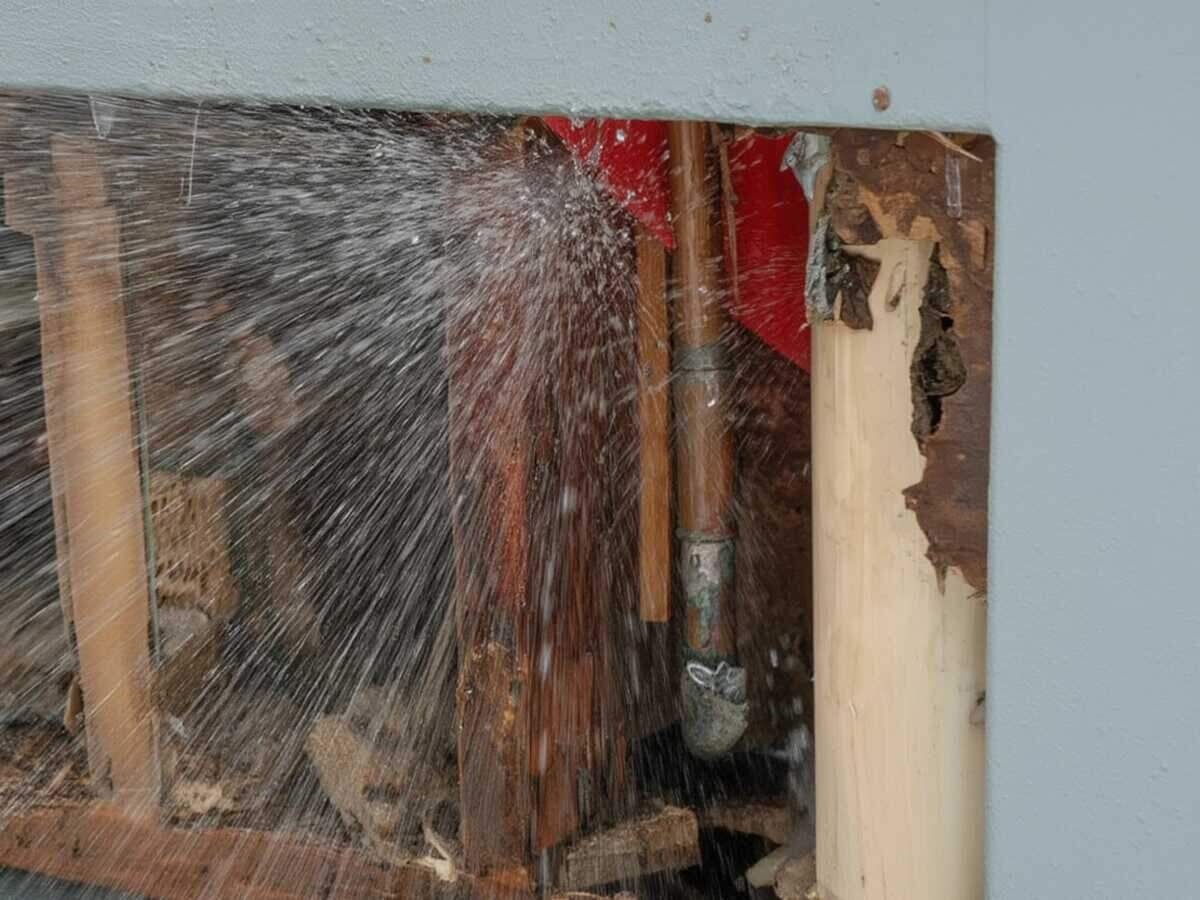
Nothing ever puddled. An angle stop under a bathroom vanity wept a few drops an hour, the cabinet floor stayed damp for weeks, and the first anyone knew was the smell in the hall. That is most of the mold we take out of Kyle houses.

Call (512) 271-5099 Answered live, 24/7Nights, weekends, holidays
  • We bill your insurer directly
  • IICRC-certified crews
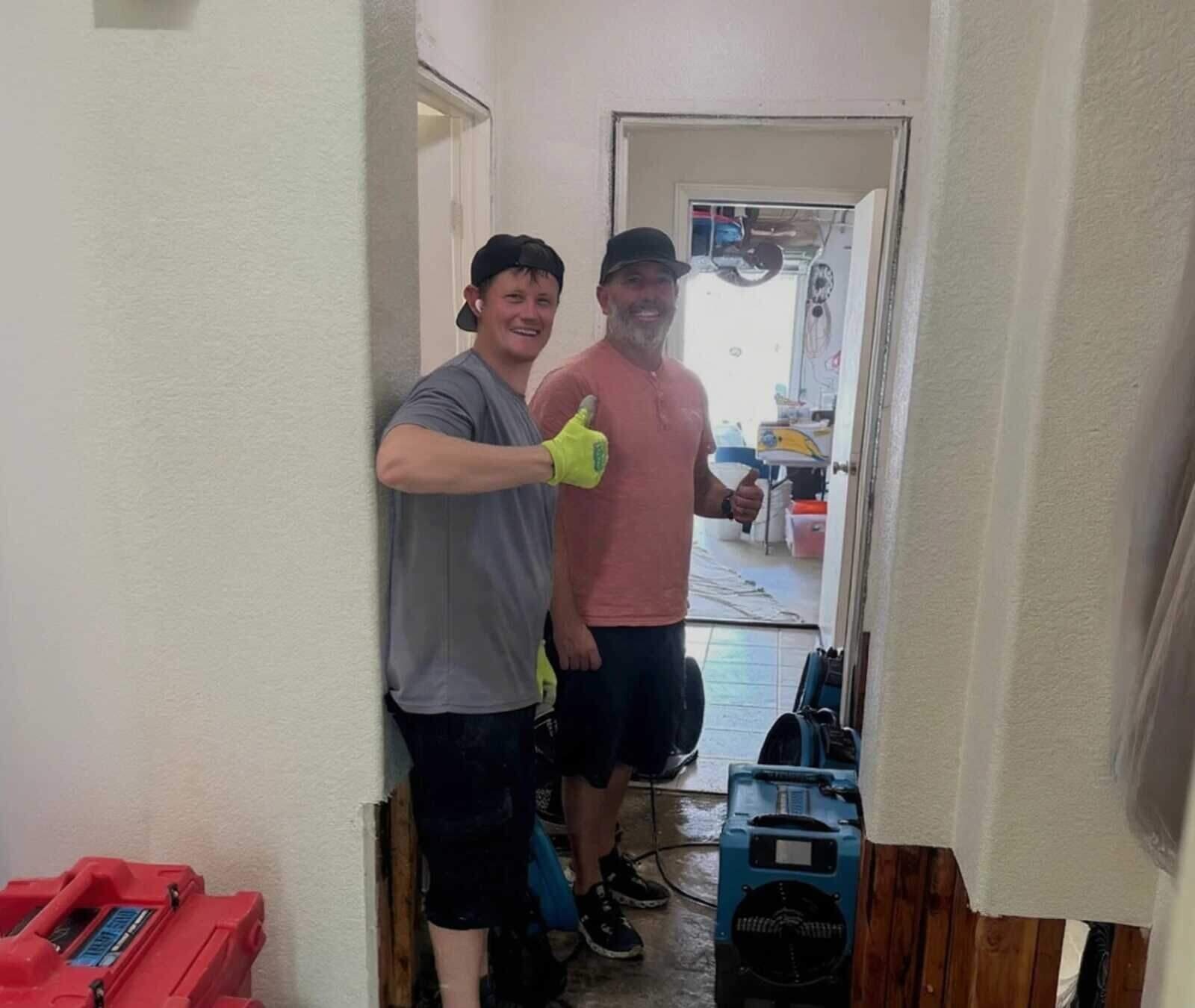
Local water damage crew working in an Austin-area home with air movers and a dehumidifier
Our crew · Austin metro
Why Kyle homeowners call us

A local crew that shows up and does it right

Dried to a reading Equipment stays until the material meters dry, not until the surface feels dry.
One crew, start to finish The same local crew from the first extraction to the final repair.
No surprise line on the bill Equipment days and demolition are priced before the work happens, not discovered on the invoice.
Local Austin crew Dispatched from the north metro, never routed through an out-of-state call center.
Certified & accredited
IICRC Certified firm Indoor Air Quality Association member Certified and licensed water damage restoration Certified and licensed mold remediation and removal
How it works

Our restoration process

Four steps, starting the moment you call.

1

Call & Dispatch

Tell us what happened. A local crew is dispatched on the call, and how fast we reach you depends on traffic and where you are.

2

Extract & Stabilize

We stop the source, pump out standing water, and set drying equipment.

3

Dry & Monitor

Air movers and dehumidifiers run while we track moisture daily to dry standard.

4

Repair & Reinstall

Drywall, texture, trim, and paint go back so the room reads finished.

Insurance-savvy from the first call

Documented to claim standard from the first hour

We document the loss to claim standard from the moment we arrive — photos, moisture readings by room, and a scope that maps to your policy. Then we bill your insurer directly for the covered work.

See how claims work in Texas

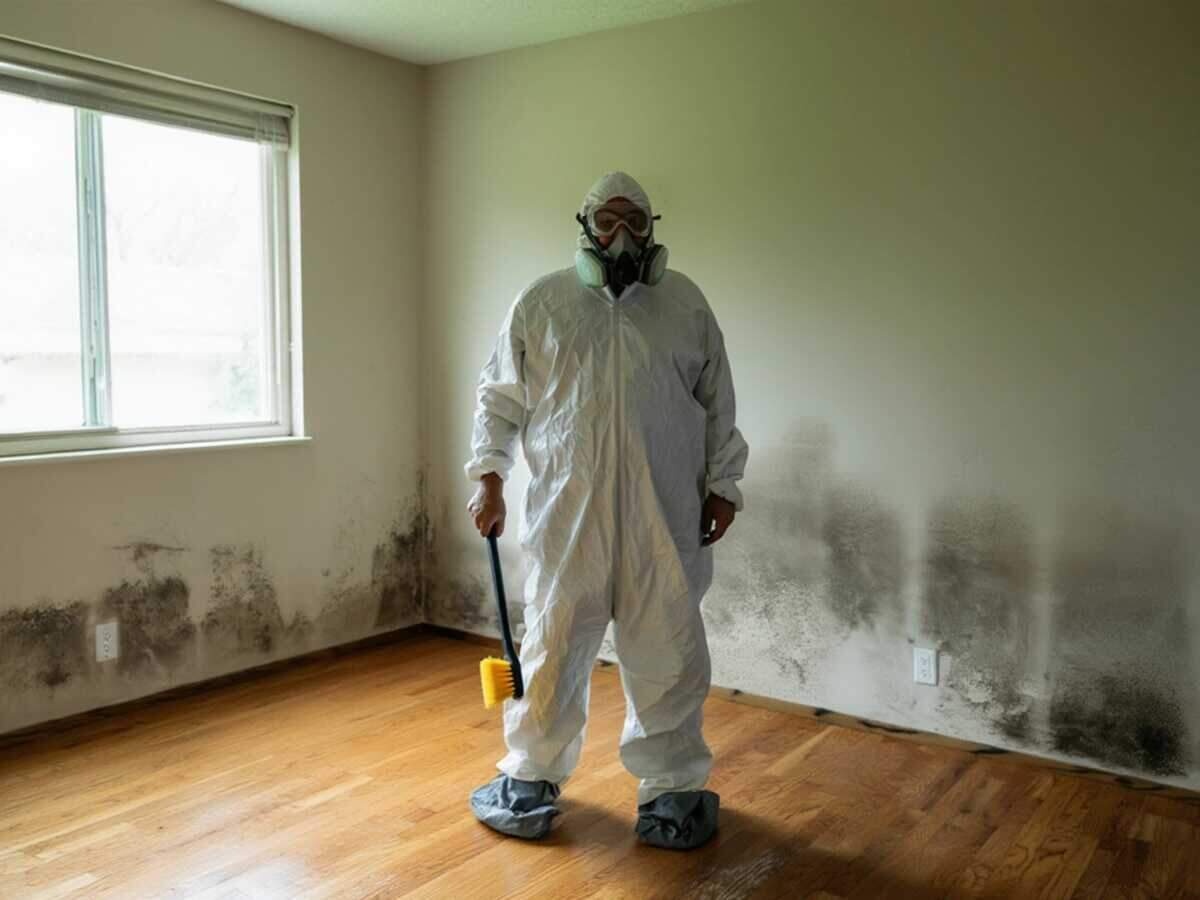
Mold removal in Kyle is usually a small-leak job. A supply fitting that weeps a few drops an hour never floods anything, so nobody shuts a valve and nobody calls anyone, and the cabinet base or the wall behind it simply stays wet. Drywall paper, cabinet particleboard, and the paper facing on batt insulation are all food. Give that a couple of weeks in a closed-up house and the growth is established before there is a mark on the wall to point at.

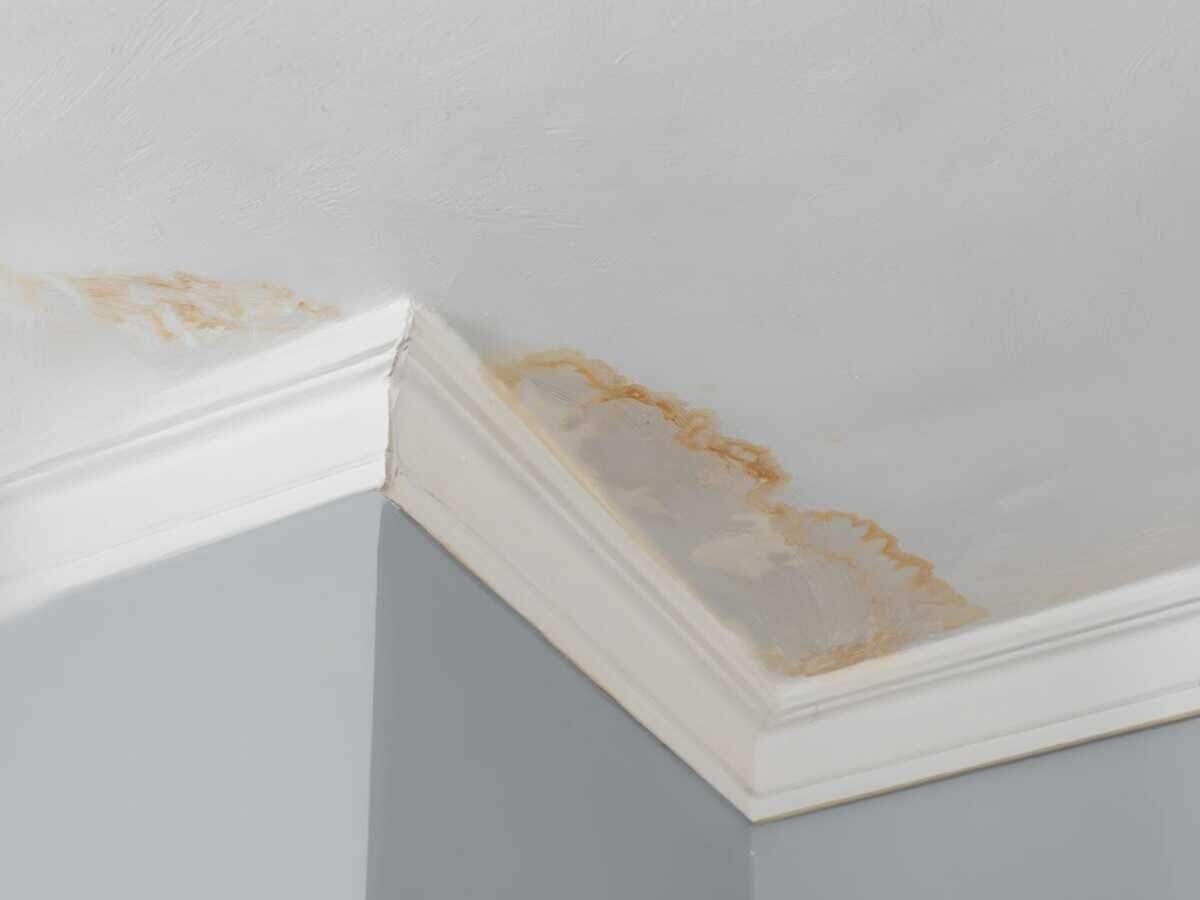
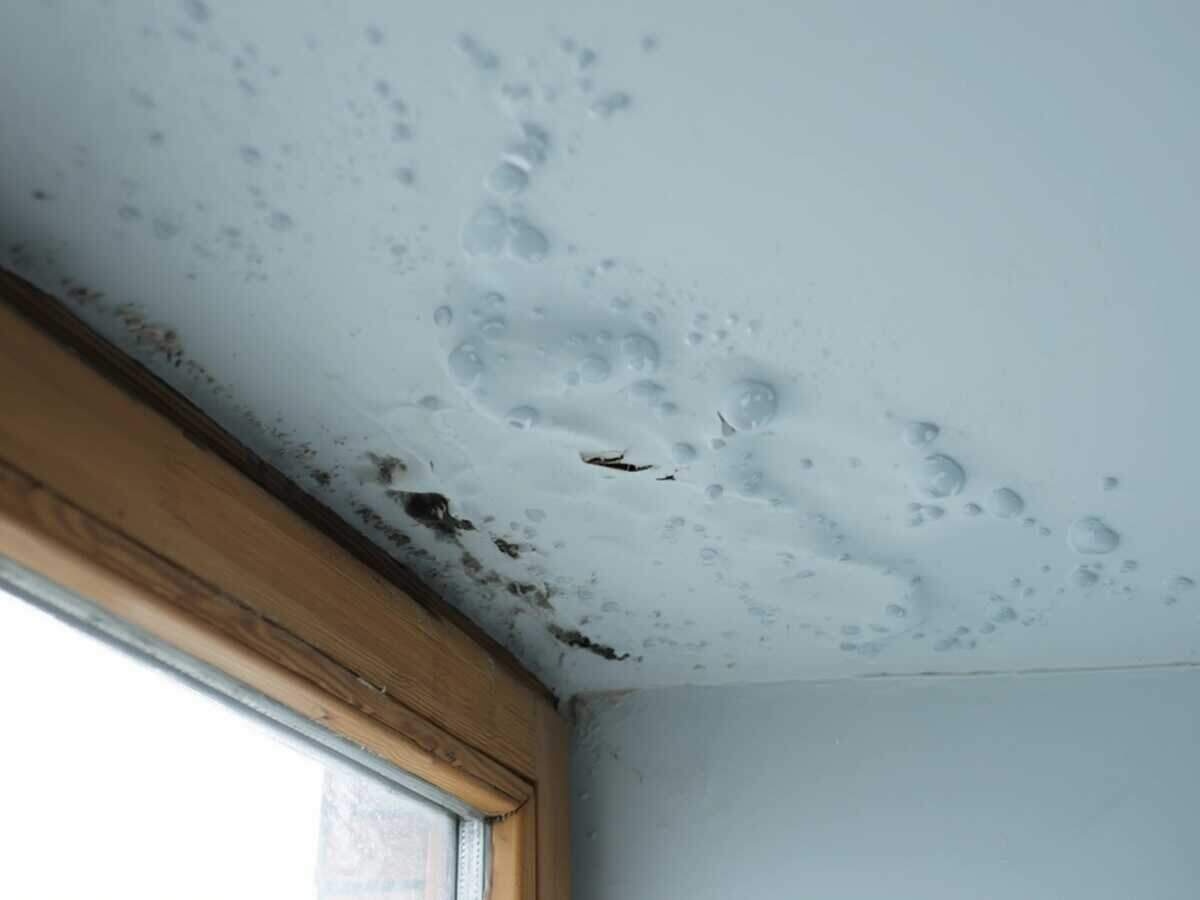
The finding order here is smell, then stain, and the gap between them can be a month. Kyle houses run their air conditioning from April into October with the windows shut, so the bay under a sink or the dead corner of a utility closet sits warm, still, and damp for the whole stretch. By the time a homeowner off Bunton Creek Road sees a dark edge at the baseboard, the colony is on the back of the board rather than the front, and cleaning the front accomplishes nothing.

What happens once we are inside

The first hour is measurement. A pin meter along the wall base and a camera into the cabinet bay show where the wet stops, and the removal ends where the readings do, not where the stain does. Then the room gets sheeted off and held under negative pressure so the rest of the house is not breathing what we are about to cut, with a scrubber pulling the air through HEPA from first cut to last. Cabinet base, drywall, and any insulation the growth reached leave in bags through the nearest exterior door. Framing that reads sound is vacuumed and treated instead of replaced. Then the fitting behind all of it gets dealt with, and the bay dries on daily readings until the wood holds a dry number.

  • The wet edge found with a meter first, so the opening matches the water and not the mark
  • The work zone sheeted and held under negative air, HEPA scrubbers running throughout
  • Cabinet base, drywall, and colonized insulation bagged inside the zone and carried straight out
  • The weeping fitting dealt with and the bay dried on daily readings before anything closes up
mold removal in Kyle, TX

Mold and water are one event but not always one line on a policy. Texas homeowners policies commonly treat mold separately from the water loss, with its own limit or an endorsement you either bought or did not, so we scope and document the remediation and the drying as separate figures rather than burying them in a lump sum. We photograph the containment, log the readings room by room, and hand your adjuster something they can price. What the policy pays on the mold side is the carrier's decision. Call (512) 271-5099 and tell us how long the cabinet has been damp; that number moves the scope more than the size of the stain does.
Good to know

Frequently asked questions

There is no stain on the wall, only a smell. Is there anything to find?

Usually there is. Odor travels through a wall assembly long before staining reaches the paint, so we meter the base of the wall and the cabinet bay and put a camera on anything that reads cool. If the wall is dry and the numbers are clean, we will say so and you will not have paid for a demolition you did not need. If it reads wet, the growth is on the back of the board, and the only way to it is through.

How much of the cabinet has to come out?

Whatever the water got into. A sink base that has been wet for weeks has a particleboard deck and a kick that behave like a sponge, and those go. The box sides and the doors often stay if they are solid and read dry. We take the cabinet apart far enough to reach the wall behind it, because that wall is where the colony usually is, and a cabinet reinstalled over wet drywall puts you back where you started.

Can we stay in the house while you work?

Most of the time, yes. The containment is one room or one closet, sealed in poly and held at negative pressure, and the air handler stays off while cutting is going on so the ducts do not carry anything. If the growth sits at a hallway return or runs across more than one room, we will tell you that and talk through whether staying makes sense. It is a conversation on the first visit, not a surprise on day three.

The smell went away after we ran a dehumidifier. Are we done?

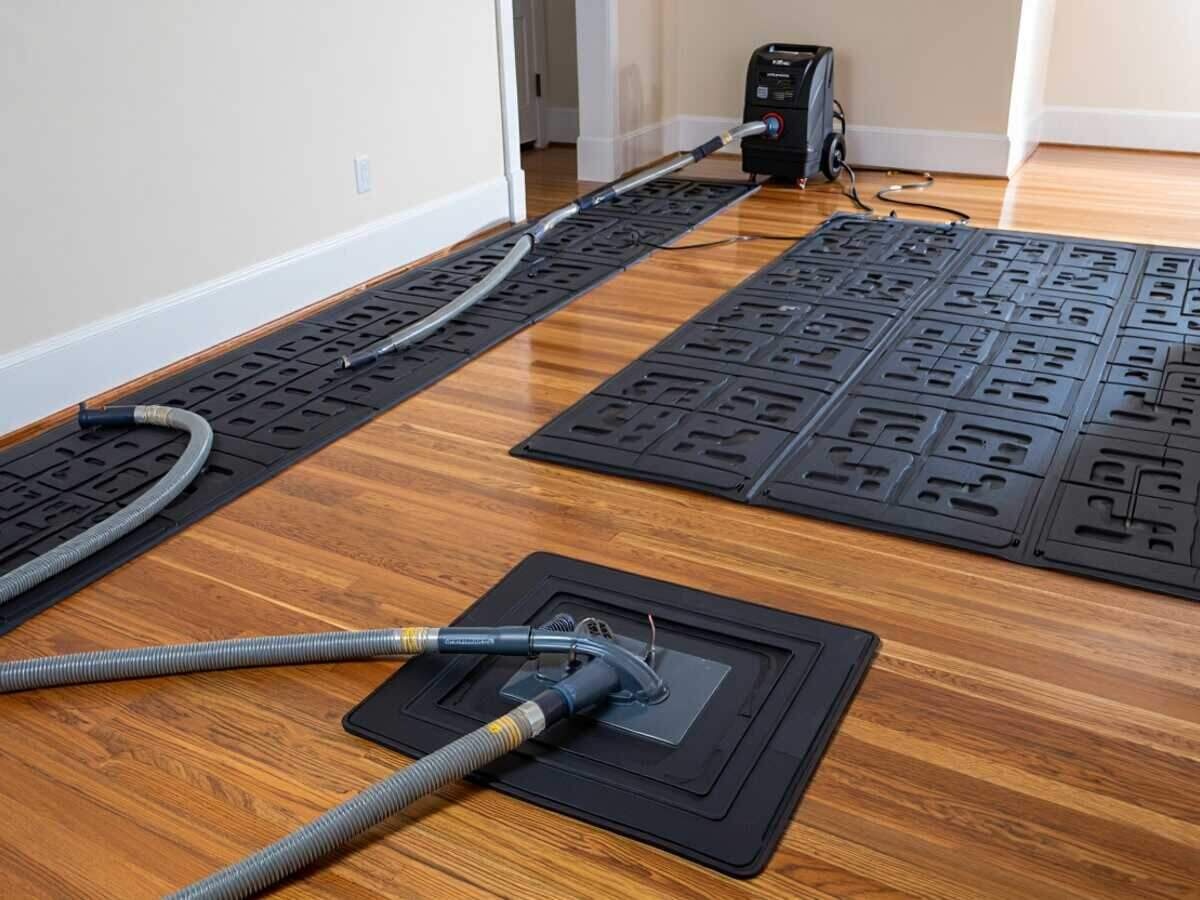
Drying the room air knocks the odor down without touching the growth inside the wall, so the smell returning in a week is the usual next chapter. Mold remediation is not finished until the material the colony is living in is out of the house and whatever fed it reads dry on a meter. Run the dehumidifier if you like, it does no harm, but have the wall read before you assume the problem left with the smell.

Water damage won't wait

A cabinet that stayed damp for a month is not a wipe-down.

Tell us where the smell is strongest and how long the leak ran. We seal the room before anything is cut, take out what the growth is living in, dry the bay that fed it, and put the scope in writing for your claim. Someone picks up at any hour, and your carrier decides what the policy covers.

Call (512) 271-5099 Available 24/7 · Austin metro