



Roof Water Damage Repair in Hutto, TX

The roofer walked it twice and found nothing, and the attic is wet again after every big storm. Water does not always come in through the shingles. On a house with a gable louver facing the weather, it can come straight in through the vent.

Call (512) 271-5099 Answered live, 24/7Nights, weekends, holidays
  • We bill your insurer directly
  • IICRC-certified crews
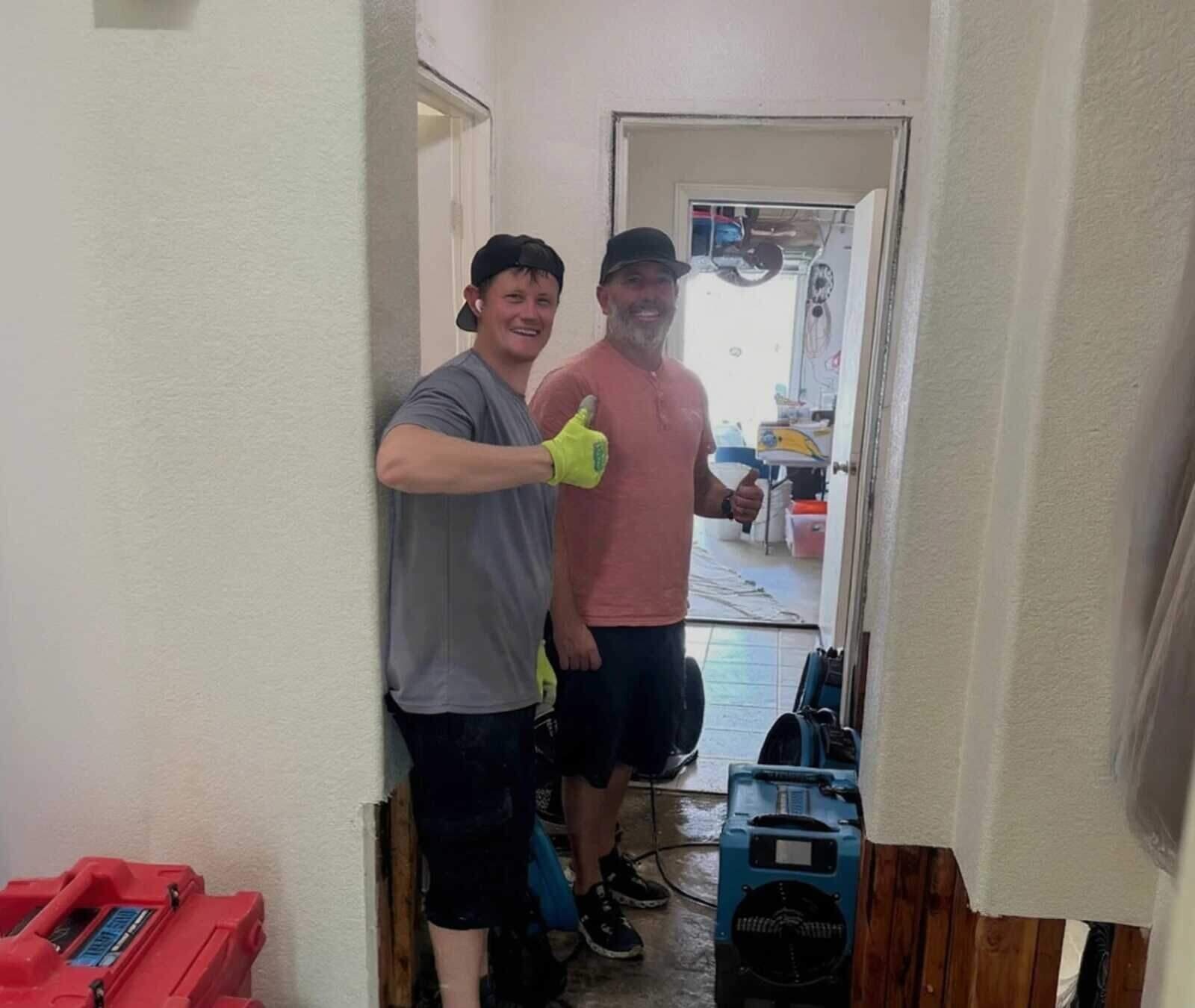
Local water damage crew working in an Austin-area home with air movers and a dehumidifier
Our crew · Austin metro
Why Hutto homeowners call us

A local crew that shows up and does it right

Dried to a reading Equipment stays until the material meters dry, not until the surface feels dry.
One crew, start to finish The same local crew from the first extraction to the final repair.
No surprise line on the bill Equipment days and demolition are priced before the work happens, not discovered on the invoice.
Local Austin crew Dispatched from the north metro, never routed through an out-of-state call center.
Certified & accredited
IICRC Certified firm Indoor Air Quality Association member Certified and licensed water damage restoration Certified and licensed mold remediation and removal
How it works

Our restoration process

Four steps, starting the moment you call.

1

Call & Dispatch

Tell us what happened. A local crew is dispatched on the call, and how fast we reach you depends on traffic and where you are.

2

Extract & Stabilize

We stop the source, pump out standing water, and set drying equipment.

3

Dry & Monitor

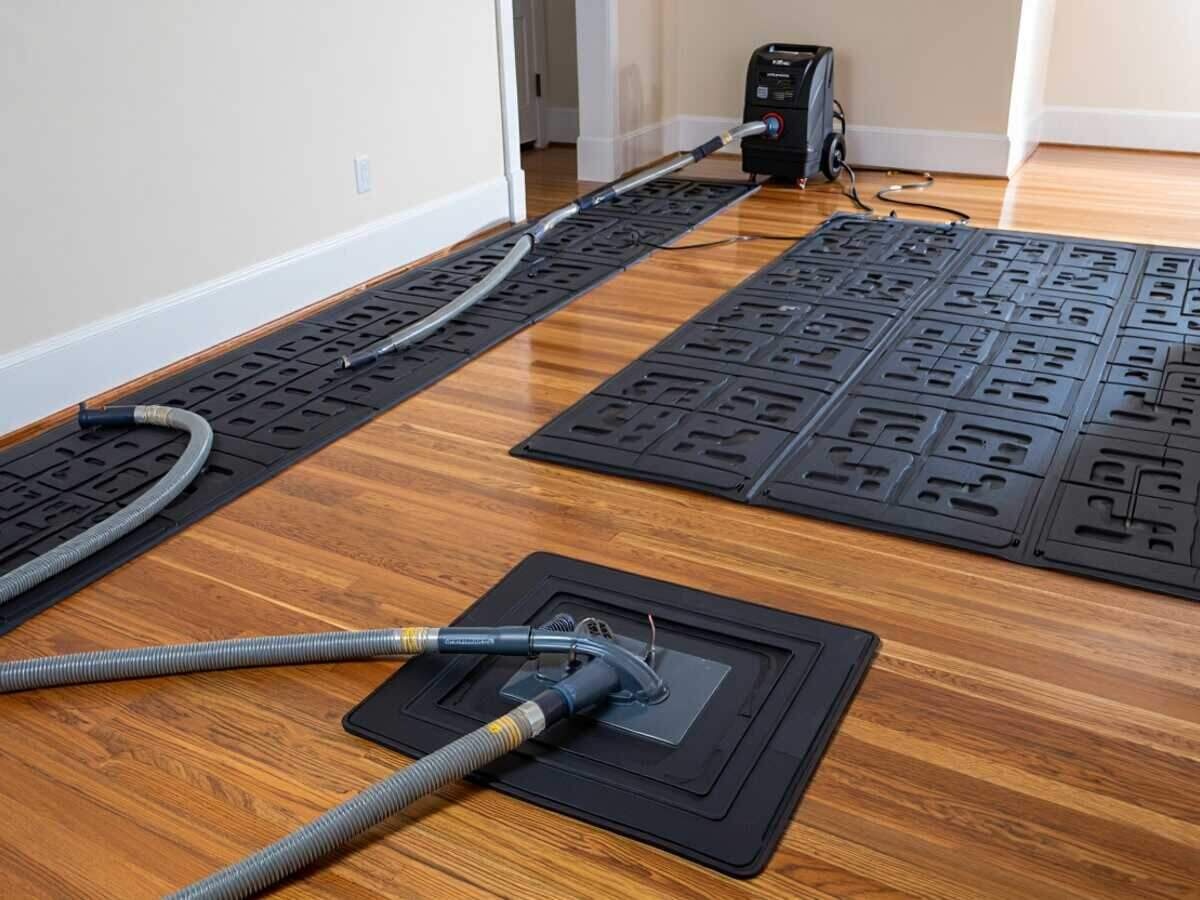
Air movers and dehumidifiers run while we track moisture daily to dry standard.

4

Repair & Reinstall

Drywall, texture, trim, and paint go back so the room reads finished.

Insurance-savvy from the first call

Documented to claim standard from the first hour

We document the loss to claim standard from the moment we arrive — photos, moisture readings by room, and a scope that maps to your policy. Then we bill your insurer directly for the covered work.

See how claims work in Texas

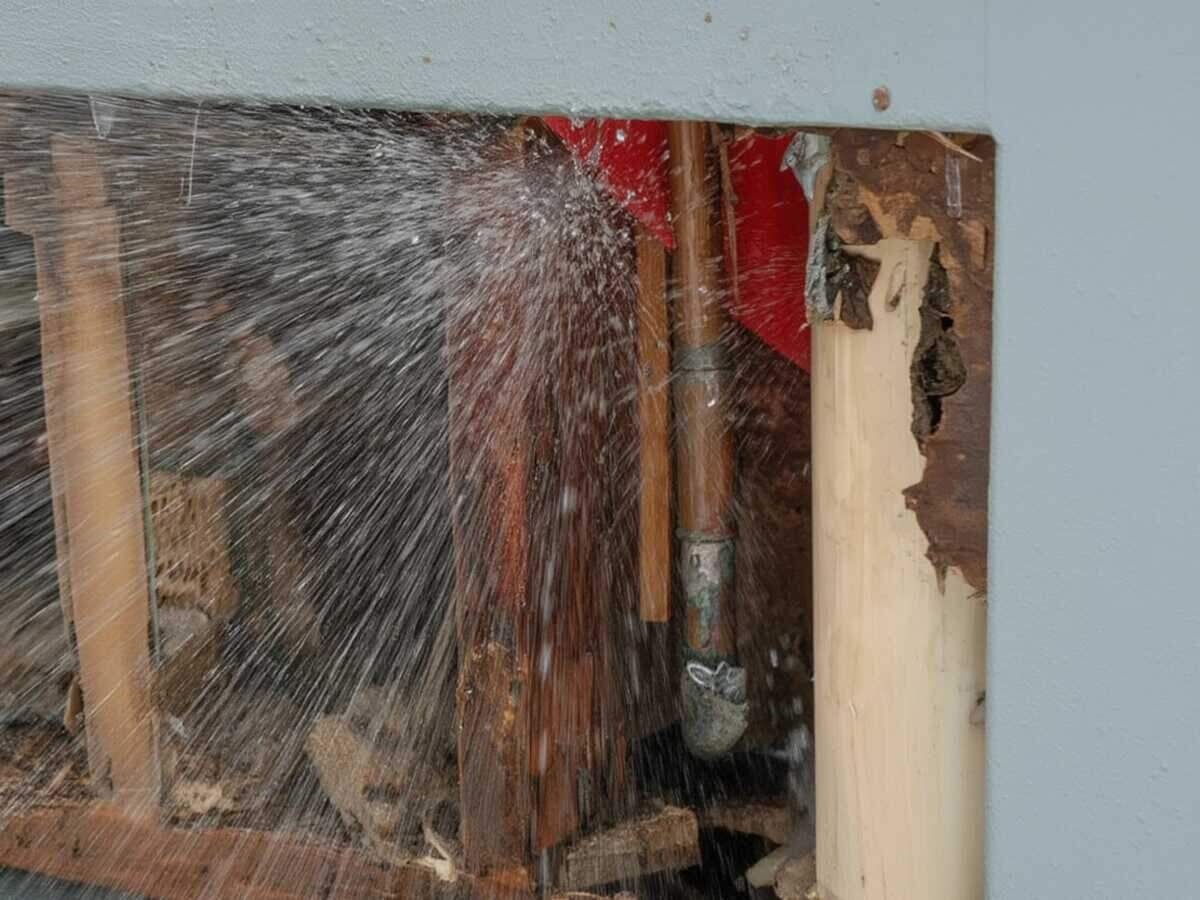
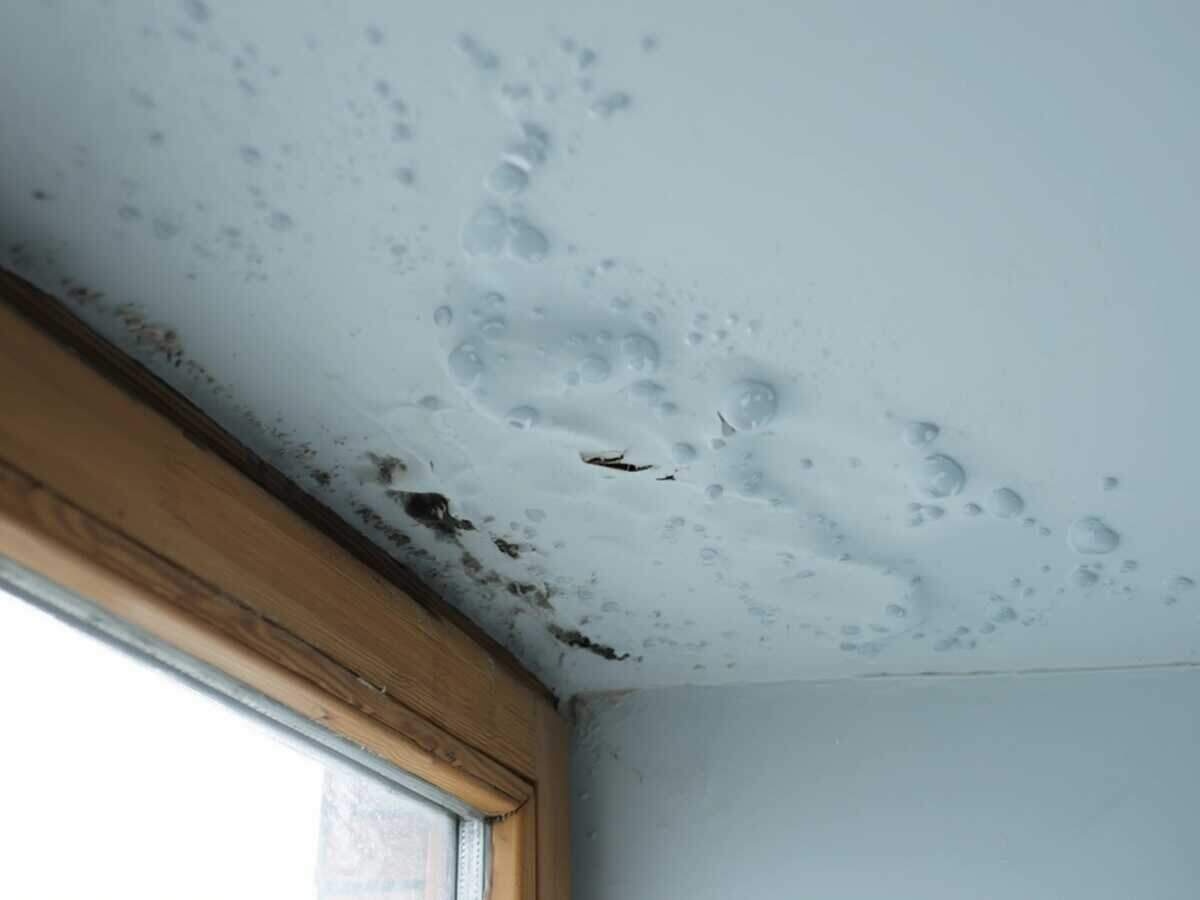
Not every roof leak involves a hole in the roof. Roof water damage repair on these houses regularly starts somewhere the shingles are perfectly sound. An attic is built to breathe, so it has openings by design: soffit vents along the eaves, a ridge vent or turbines up top, and on plenty of Hutto houses a louvered gable vent at each end. In ordinary rain that ventilation does its job. In a storm that drives rain sideways, those same openings let water in, and it lands as a fan of soaked insulation on the attic floor just inside the opening, nowhere near a pipe, a valley or a vent boot.

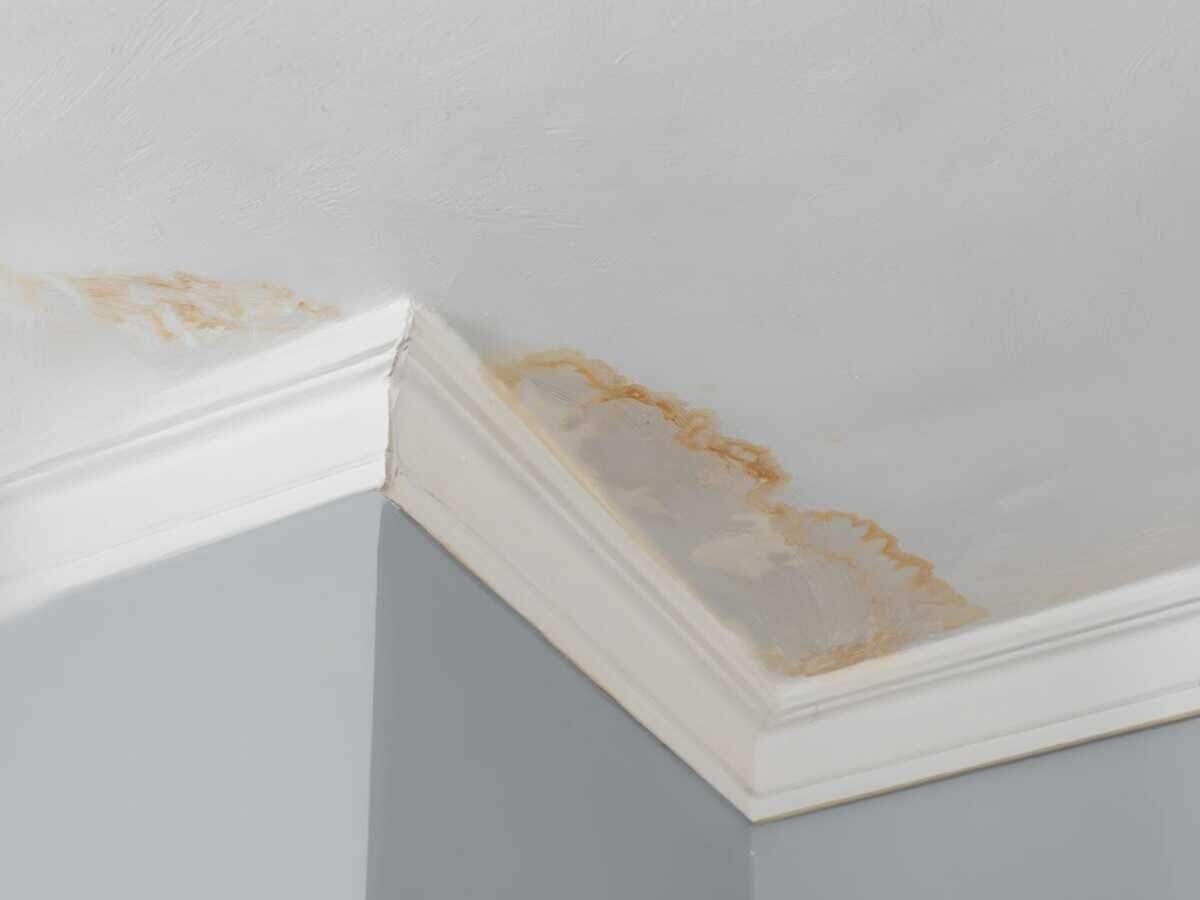
That pattern is why these get chased for months. A roofer goes up, finds the shingles sound and the flashings tight, and he is right. Meanwhile the insulation inside the gable end never fully dries between storms, and a Hutto attic in May is warm enough that damp fiberglass and a paper facing turn into a growth problem within days. The ceiling below often shows nothing until well after the storm anyone would have blamed.

The interior work, and what the wet pattern tells you

We map before we remove. Infrared and a pin meter across the attic floor give us the shape and the edge of the wet area, and the shape is the useful part: a fan spreading inward from an opening points somewhere very different than a track running down one rafter from a single point. Saturated insulation comes out in bags, decking and framing dry under equipment with readings taken daily, and ceiling board comes down only where the numbers say the paper face is gone. What we find is photographed where it sits, so whoever goes up next is looking at evidence instead of a description.

  • The wet area mapped for shape and edge before any insulation is disturbed
  • Saturated insulation bagged and carried out, decking and framing read every day as they dry
  • Ceiling board removed only where the readings say the board is gone
  • The wet pattern photographed where it sits, for the roofer and the adjuster both
roof water damage repair in Hutto, TX

Shingles, vents and flashings belong to a licensed roofer, and we leave them there. What we can do is tell your roofer where the water landed and what shape it made, which is usually the shortest route to the opening it came through. Call (512) 271-5099, storms and weekends included.


Good to know

Frequently asked questions

The roofer found nothing wrong up there. So what is getting in?

Frequently through the ventilation itself. Gable louvers, turbines and ridge vents are openings, and a storm with enough wind behind it pushes rain through them. The tell is where the water lands: a fan of wet insulation just inside a gable end or a band along the ridge, with dry decking in between, rather than a track running down one rafter. That is not a roofing defect, which is exactly why an inspection from the outside keeps coming back clean.

The insulation dried out by itself last time. Why replace it now?

Because it does not come back the way it went in. Blown fiberglass that gets soaked packs down and loses much of the depth it was installed at, so even once it feels dry you pay for it every August. Wet insulation also holds moisture against the ceiling board underneath, which is what turns a one-storm problem into growth. We take out what got soaked and note the area and depth for the scope.

Does a policy pay for water that blew in through a vent?

Put that question to your adjuster early, and expect a less generous answer than you might hope for. Many Texas policies pay for interior water when wind or hail first made an opening in the building, and a vent that was already there is not an opening the storm created. Some carriers see it differently. Our part is documenting what got wet, where, and how much, and your carrier makes the coverage call.

Can this be stopped before the next storm?

Yes, and it is roofing work rather than ours. The usual answers are a baffled or hooded vent in place of an open louver, or closing a gable vent off where ridge and soffit venting is already doing the job, and any roofer working this county has done both. Our end is getting the attic dry and the ceiling back before the next round of weather, so you are not doing this twice.

Water damage won't wait

A wet Hutto attic does not wait on the roofing schedule.

Call and we take the inside half now: the wet zone mapped, the soaked insulation bagged out, the decking and framing dried on daily readings, and the ceiling rebuilt once the numbers agree. The interior scope is written on its own so your claim reads clean next to the roofer's.

Call (512) 271-5099 Available 24/7 · Austin metro