



Mold Removal in Hutto, TX

A Saturday with a utility knife and a shop vac, and by Sunday the bedroom two doors down smells the way that closet did. A good share of our Hutto mold calls start after somebody has already opened the wall. Stop there and call (512) 271-5099.

Call (512) 271-5099 Answered live, 24/7Nights, weekends, holidays
  • We bill your insurer directly
  • IICRC-certified crews
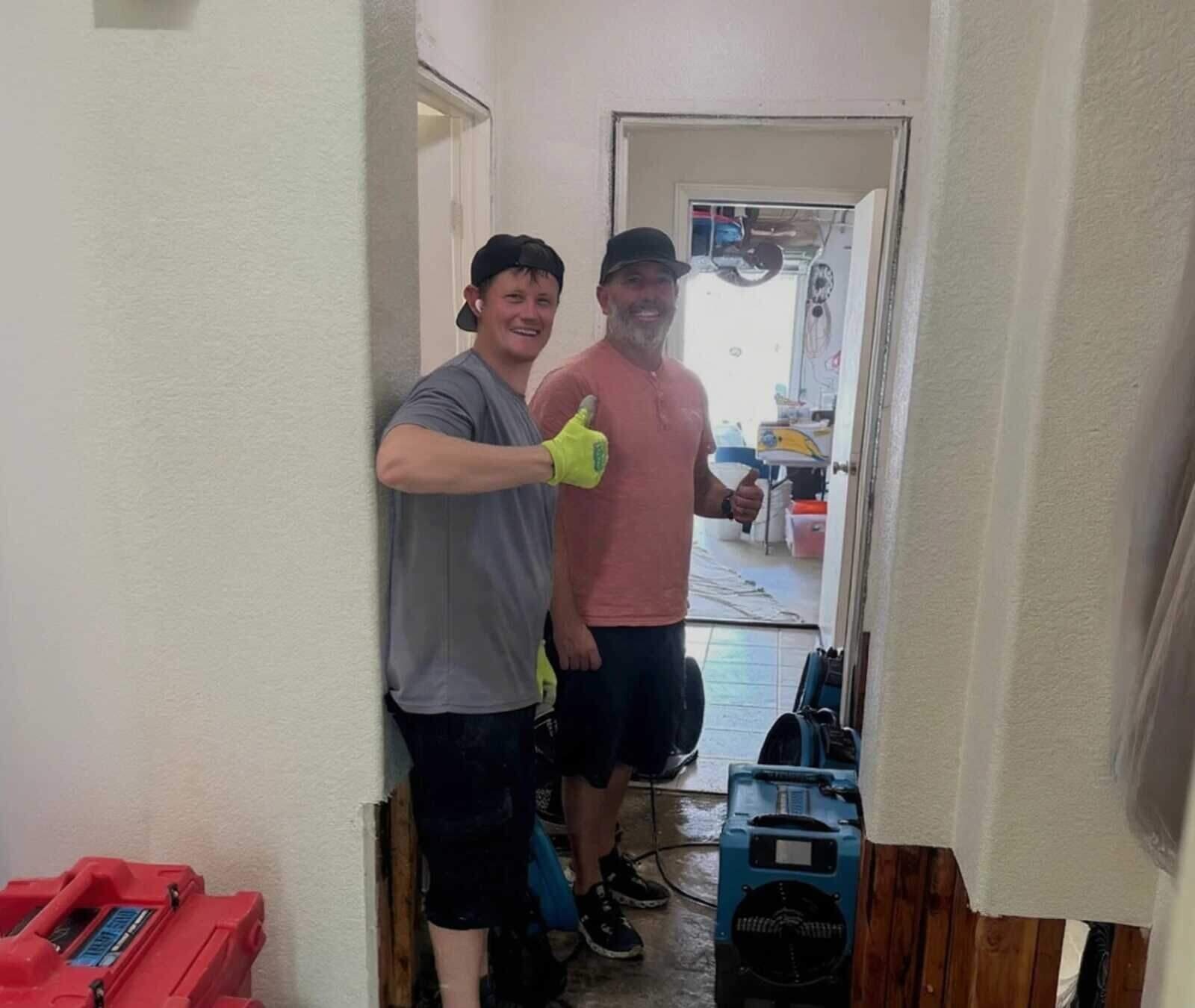
Local water damage crew working in an Austin-area home with air movers and a dehumidifier
Our crew · Austin metro
Why Hutto homeowners call us

A local crew that shows up and does it right

Dried to a reading Equipment stays until the material meters dry, not until the surface feels dry.
One crew, start to finish The same local crew from the first extraction to the final repair.
No surprise line on the bill Equipment days and demolition are priced before the work happens, not discovered on the invoice.
Local Austin crew Dispatched from the north metro, never routed through an out-of-state call center.
Certified & accredited
IICRC Certified firm Indoor Air Quality Association member Certified and licensed water damage restoration Certified and licensed mold remediation and removal
How it works

Our restoration process

Four steps, starting the moment you call.

1

Call & Dispatch

Tell us what happened. A local crew is dispatched on the call, and how fast we reach you depends on traffic and where you are.

2

Extract & Stabilize

We stop the source, pump out standing water, and set drying equipment.

3

Dry & Monitor

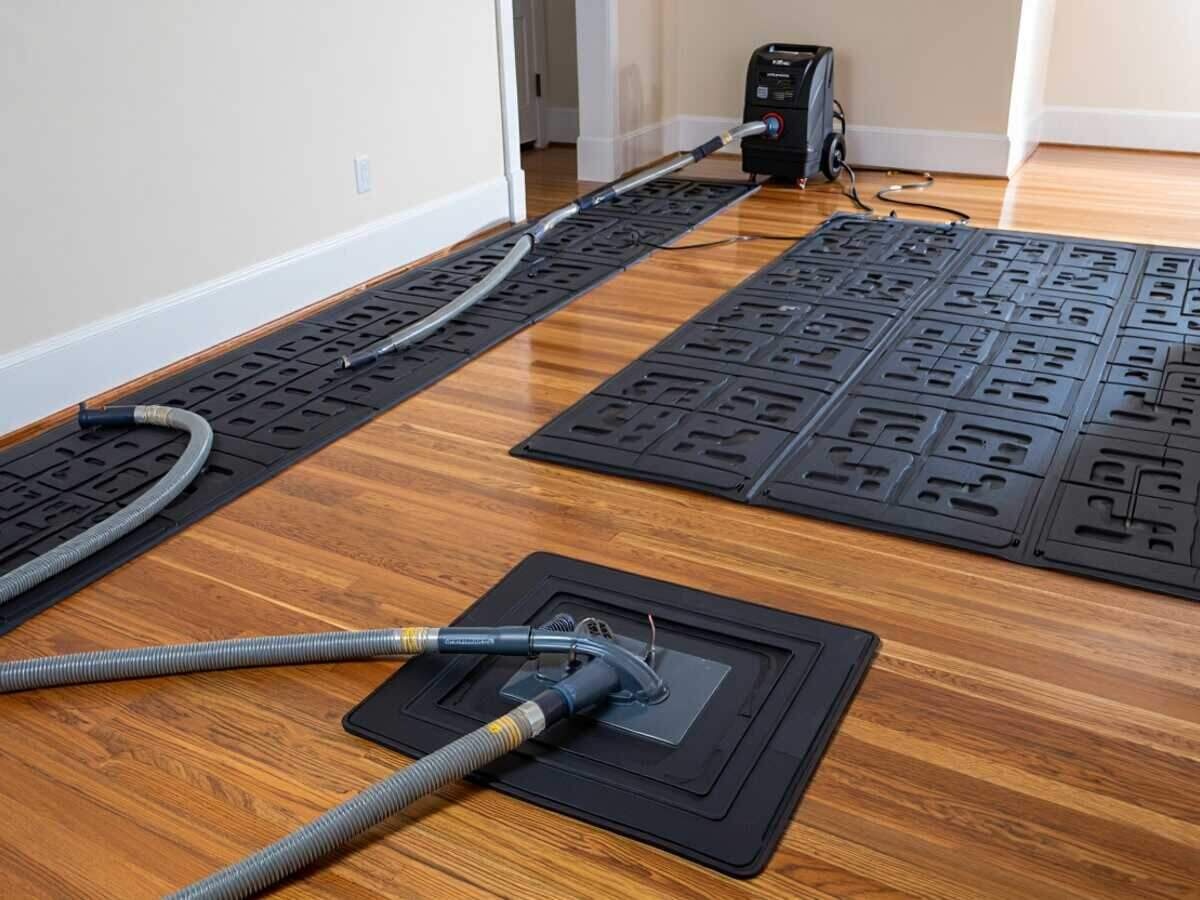
Air movers and dehumidifiers run while we track moisture daily to dry standard.

4

Repair & Reinstall

Drywall, texture, trim, and paint go back so the room reads finished.

Insurance-savvy from the first call

Documented to claim standard from the first hour

We document the loss to claim standard from the moment we arrive — photos, moisture readings by room, and a scope that maps to your policy. Then we bill your insurer directly for the covered work.

See how claims work in Texas

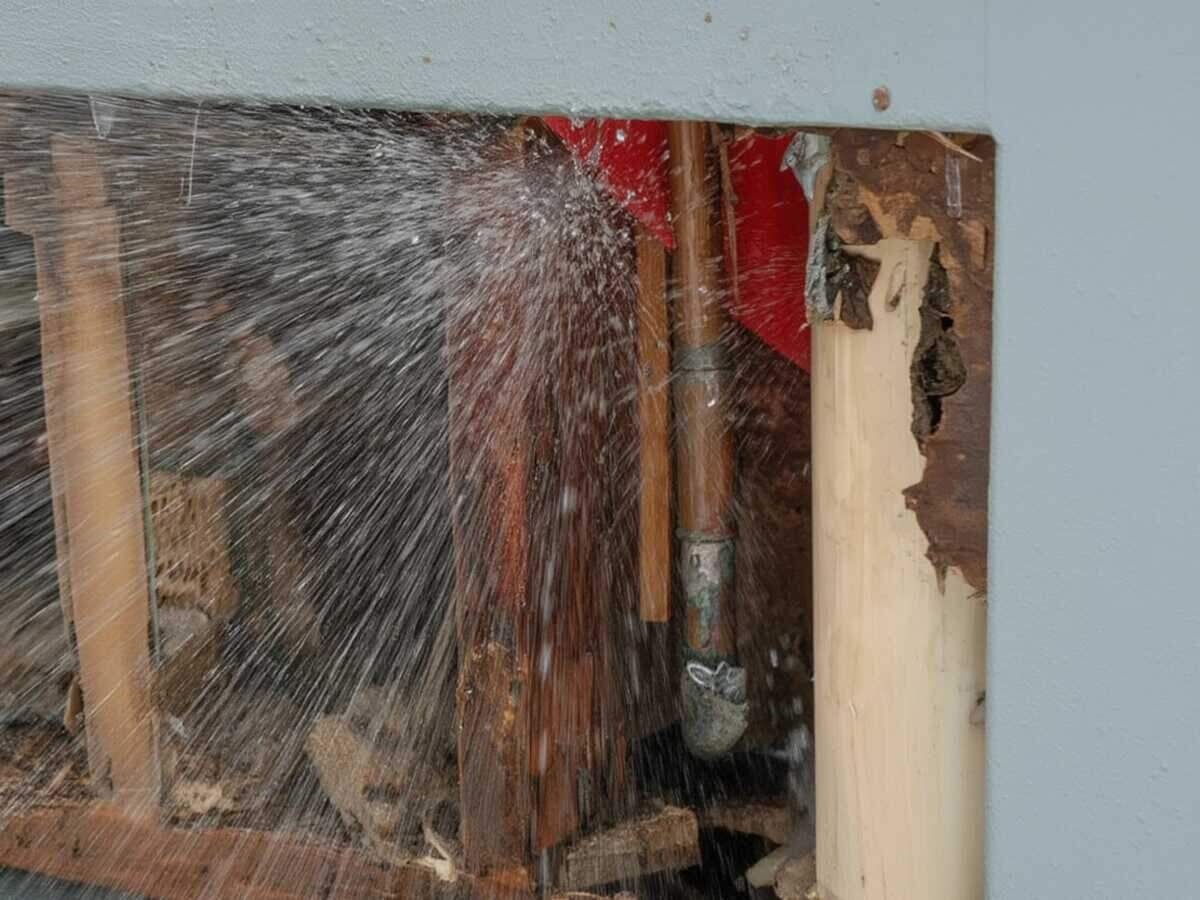
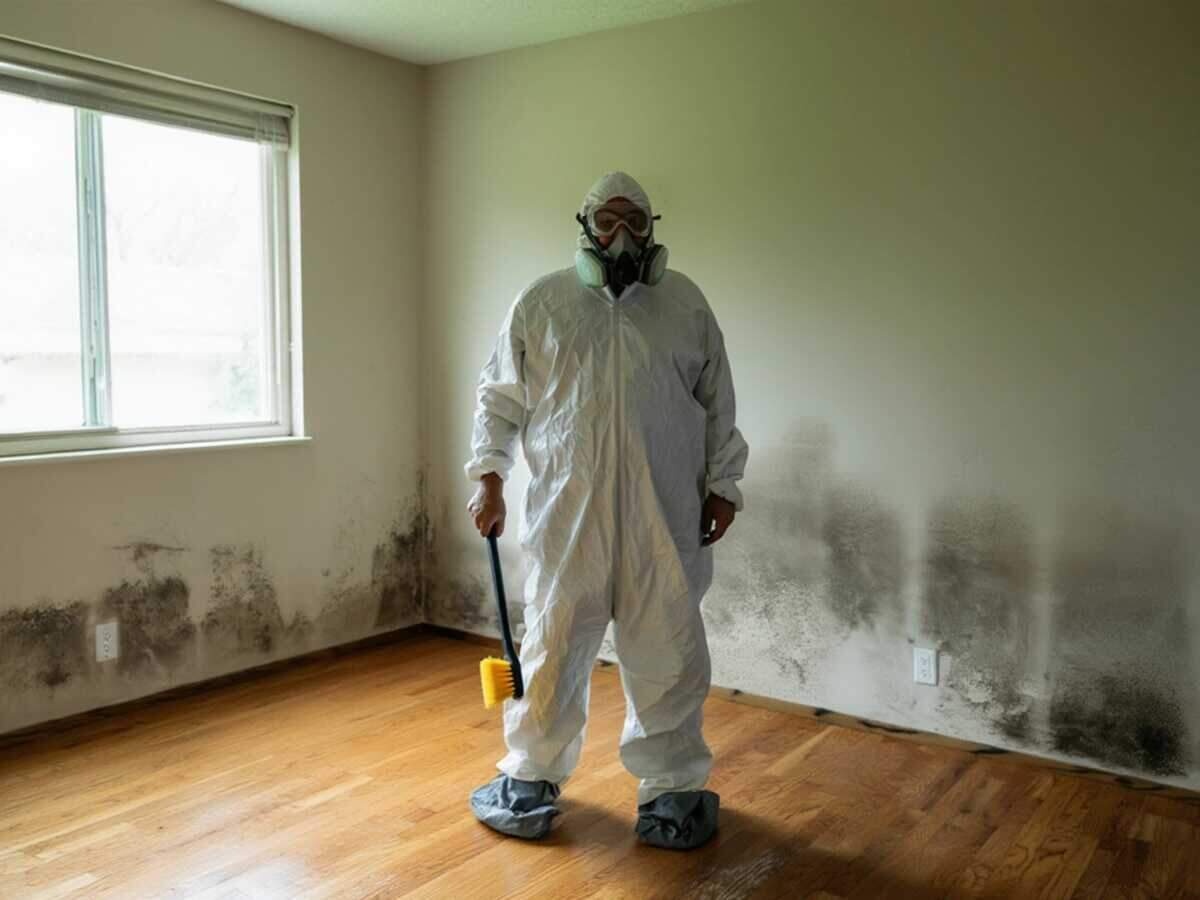
Mold removal in Hutto is often a bigger job than it had to be, because the wall was already open when we got the call. It is an understandable weekend. The closet smells, a corner of drywall comes out, the pieces go into a contractor bag, and a box fan goes in the window to clear the air. Every one of those steps moves spores that were sitting still, and a room-sized problem becomes a house-sized one.

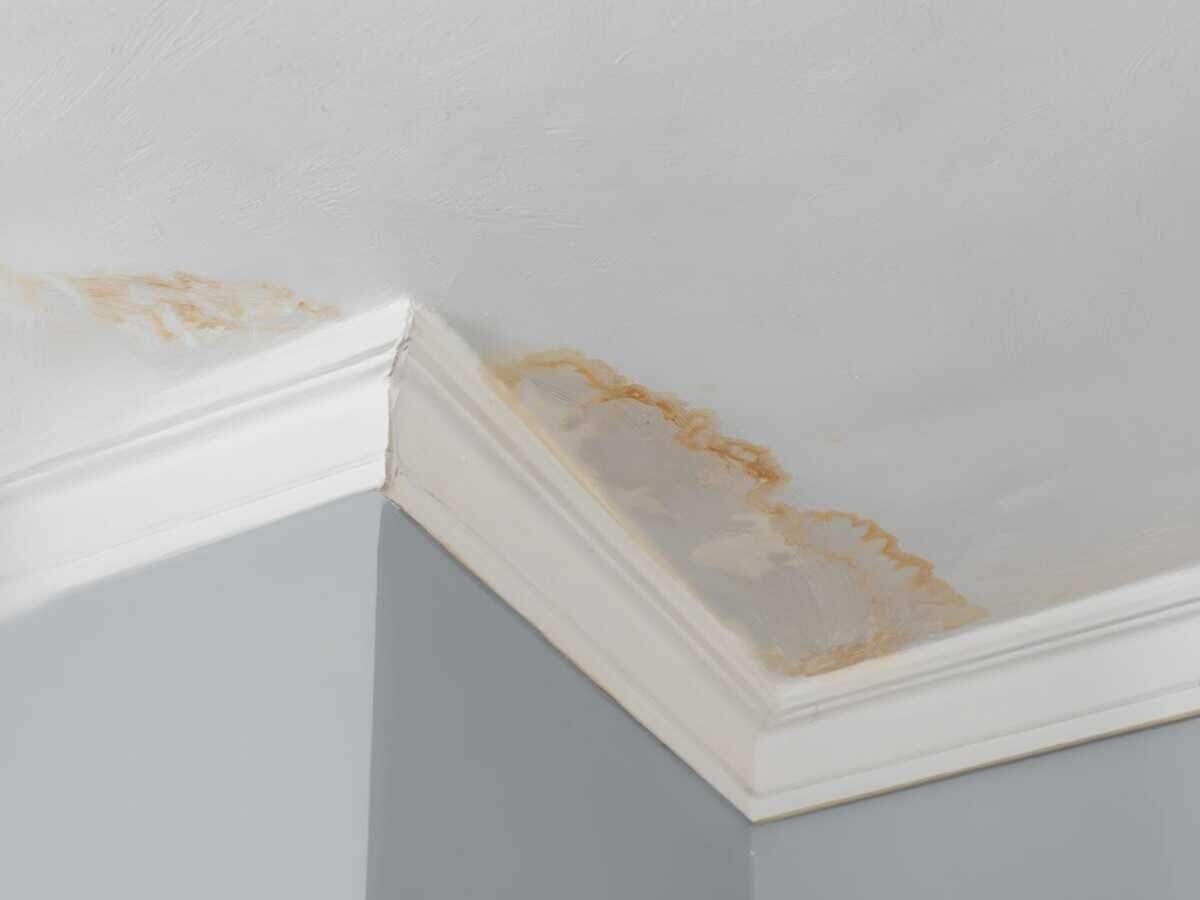
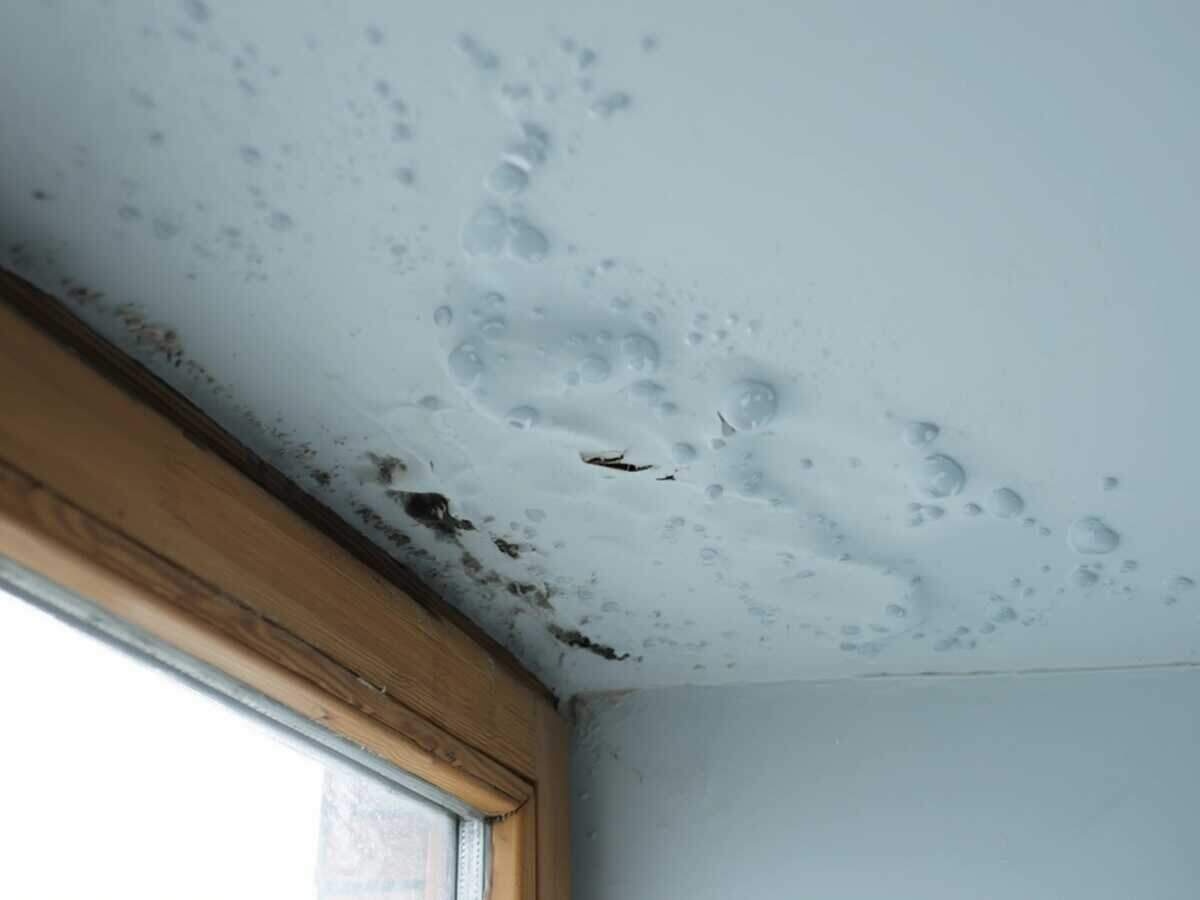
The layout works against you here. Hutto plans run long and open, with the kitchen, dining and family rooms sharing one space and very few doors to close between them, so nothing stops what a fan or a week of foot traffic carries down the hall. The growth is rarely where the stain is, either. It lives on the back face of the drywall, on the paper of the insulation and along the bottom plate, which means the visible edge of a patch tells you almost nothing about the size of the removal.

What changes when the wall is already open

We treat everything the demolition touched as affected, not just the cavity. The disturbed area gets sealed first: poly across the openings, the zone held under negative pressure, and a HEPA scrubber running before another cut is made. Then the readings decide the rest. A pin meter and a camera find where the wet material actually stops, drywall and insulation past that line leave in bags through the nearest door, framing that still reads sound gets a HEPA vacuum and a treatment instead of a saw, and the cavity runs under directed air until the wood holds a dry number. Rooms the dust reached get vacuumed and wiped down, because a mold remediation that leaves settled spores on the shelves in the next room is not finished.

  • Containment built around the opening that already exists, before anything else is cut
  • Negative air and HEPA filtration running from the first cut to the last
  • Removal sized by meter readings, not by the edge of what you can see
  • Surfaces in the rooms the demolition dust reached vacuumed and wiped down
mold removal in Hutto, TX

Tell us what you took out and where it went, because it changes both the scope and the paperwork. We photograph the opening the way we found it, take readings in every room the dust reached, and put the scope on paper the way an adjuster prices it. Whether the policy answers for it is a question only your carrier can settle. Call (512) 271-5099 before anything else comes out of that wall.
Good to know

Frequently asked questions

We already cut some of it out. Did we make it worse?

Probably a little, and it is fixable. Cutting into growth without containment puts spores into the air of every room that air can reach, which is why the smell often spreads after a weekend of demolition rather than before it. What it changes for us is the starting point: we build containment around what is already open, run HEPA filtration in the work zone, and clean the rooms the dust traveled through. What it does not change is the removal itself. That was always going to be decided by how far the water went.

Does it hurt our claim that we started the work ourselves?

It complicates the record more than the coverage. An adjuster wants to know what caused the water and how long it ran, and some of the evidence of both has already left the house. So send us any photos you took, keep the material you pulled out instead of hauling it off, and be straight with us about when the leak started. We document what we find, put the readings and the scope in writing, and your carrier decides what it covers.

There is a bag of wet drywall sitting in the garage. What do we do with it?

Leave it closed and where it is until we get there. Carrying it back through the house is the part worth avoiding, and on a mold job the disposal is part of the work: material comes out bagged inside the containment and goes straight out the nearest exterior door. If you already have a pile, we bag it properly and take it with the rest rather than leaving it for your trash day.

We opened the wall and found a water stain but nothing that looks like mold. Do we still need you?

Maybe not, and a meter answers that faster than an opinion does. Staining without growth is common, and so is growth on the side of the board you are not looking at. We read the framing, the plate and the insulation, and if the numbers come back dry with nothing living in the cavity, we will tell you so and you can close it up. If the wood is still wet, drying it now is a much smaller job than removing what grows in it later.

Water damage won't wait

You opened the wall in a Hutto house. Stop there.

Call and tell us what came out and how long the leak ran before anyone noticed. We seal what is already open, take the growth and the material feeding it, dry the cavity on daily readings, and clean the rooms the dust reached. The loss goes into writing for your claim file, and the coverage call belongs to your carrier.

Call (512) 271-5099 Available 24/7 · Austin metro