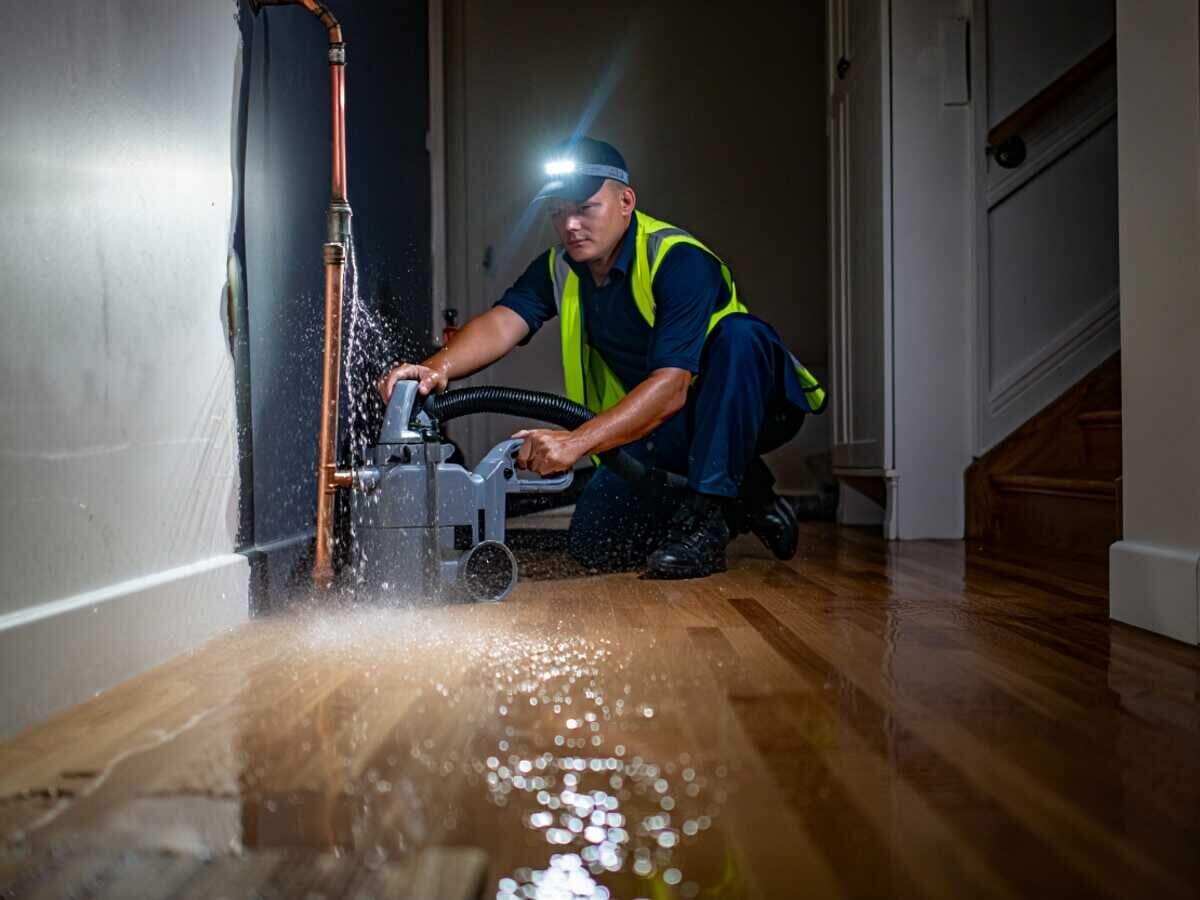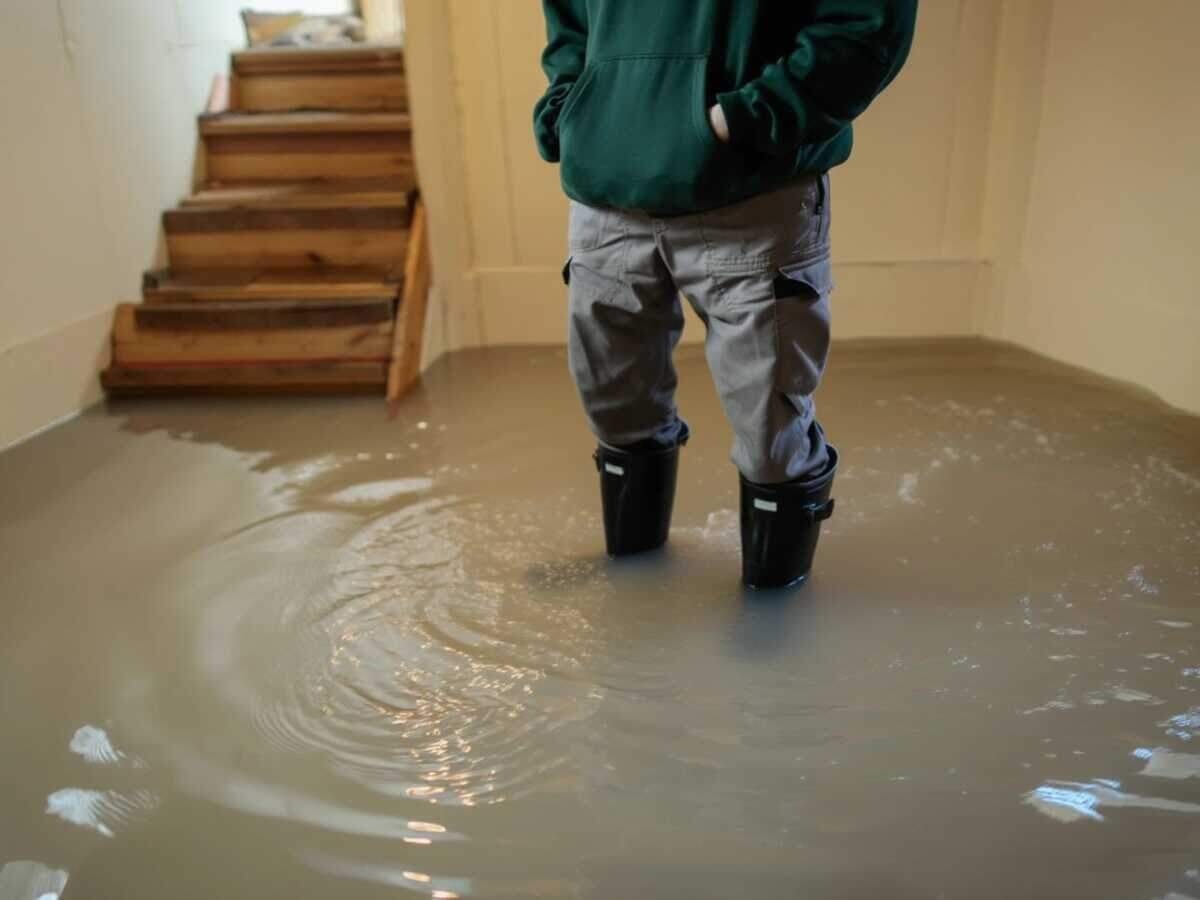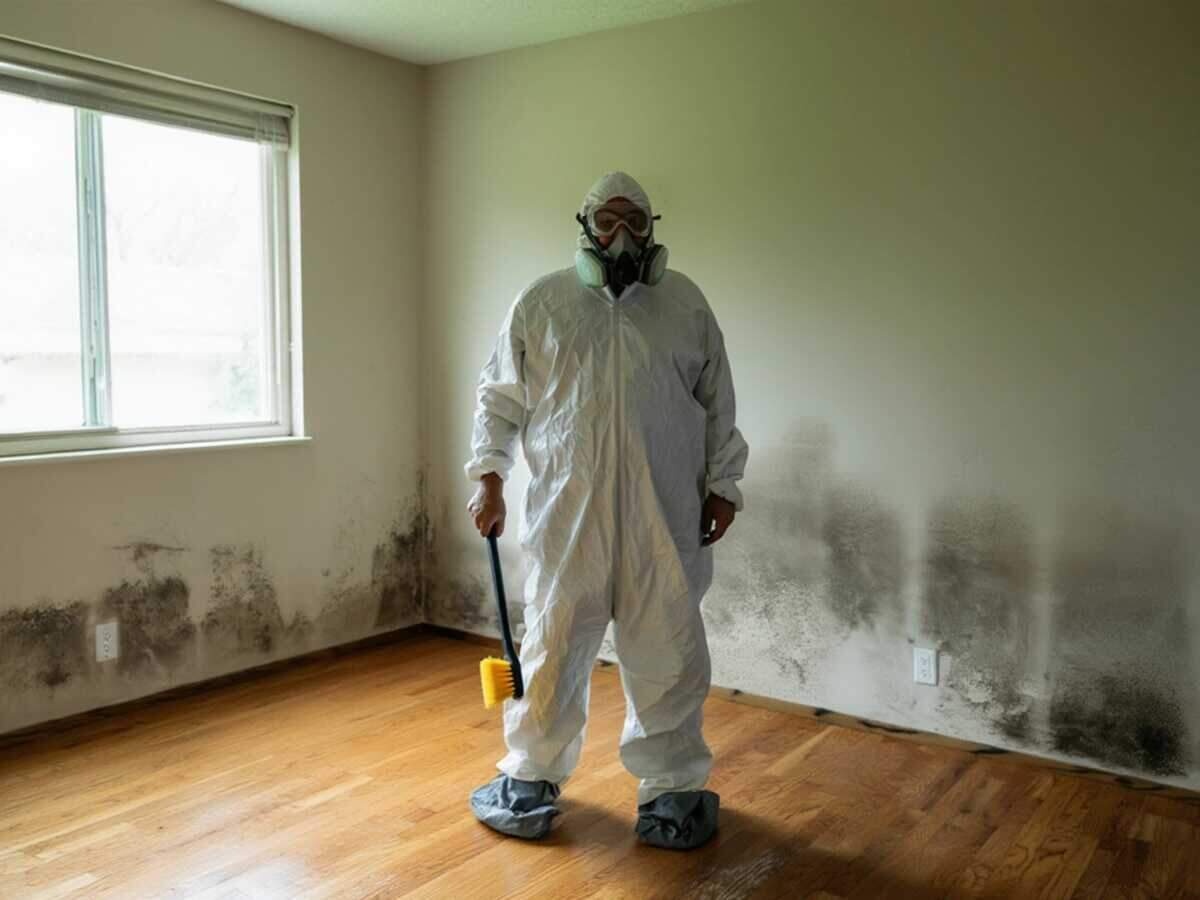




Burst pipe water damage in a long single-story house arrives from overhead. These plans put the master at one end and the secondary bedrooms and baths at the other, so the water has to cross the whole house to get there. It does that through the attic, above the ceiling insulation, wrapped in whatever the plumber put on it. During a multi-day freeze an attic sits at outdoor temperature, which makes that crossing the coldest run in the building, and the split usually stays quiet until the thaw brings the pressure back.
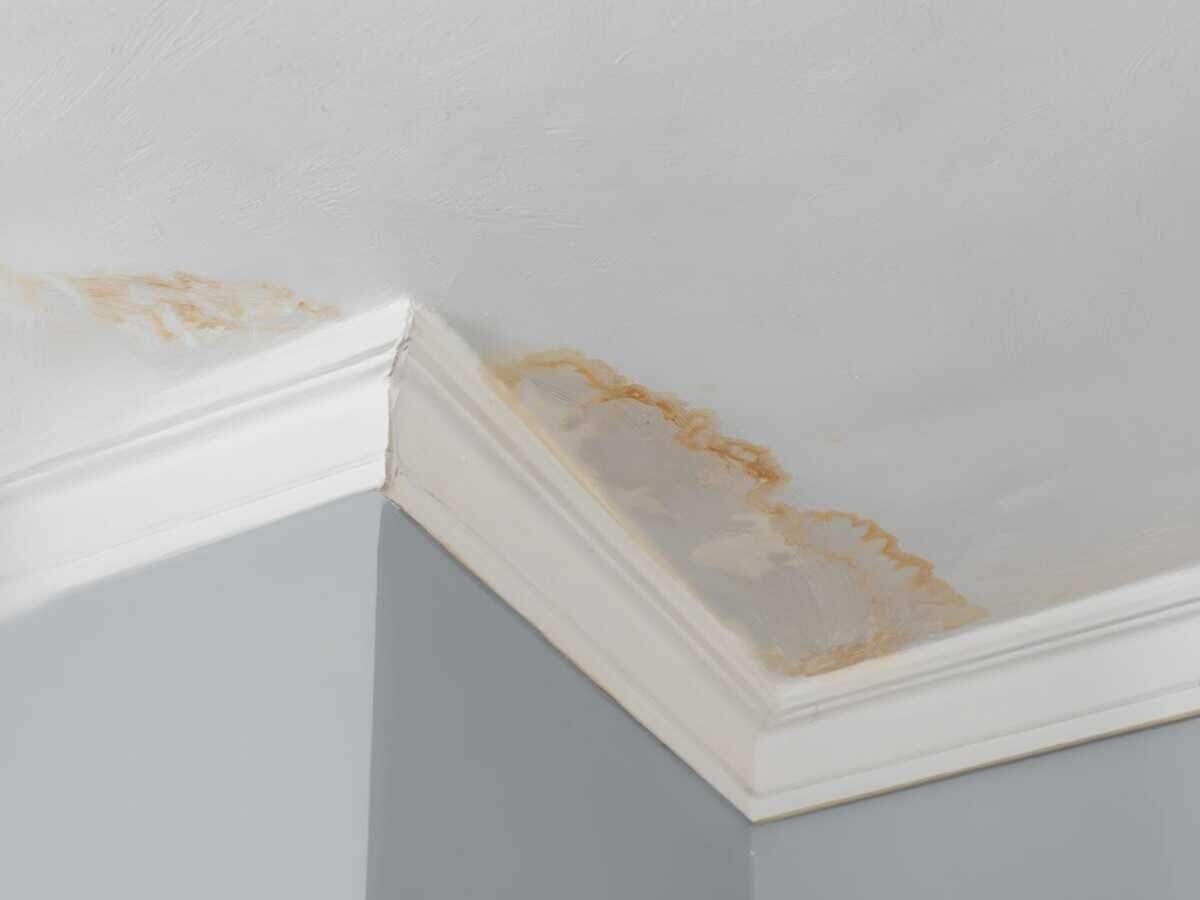
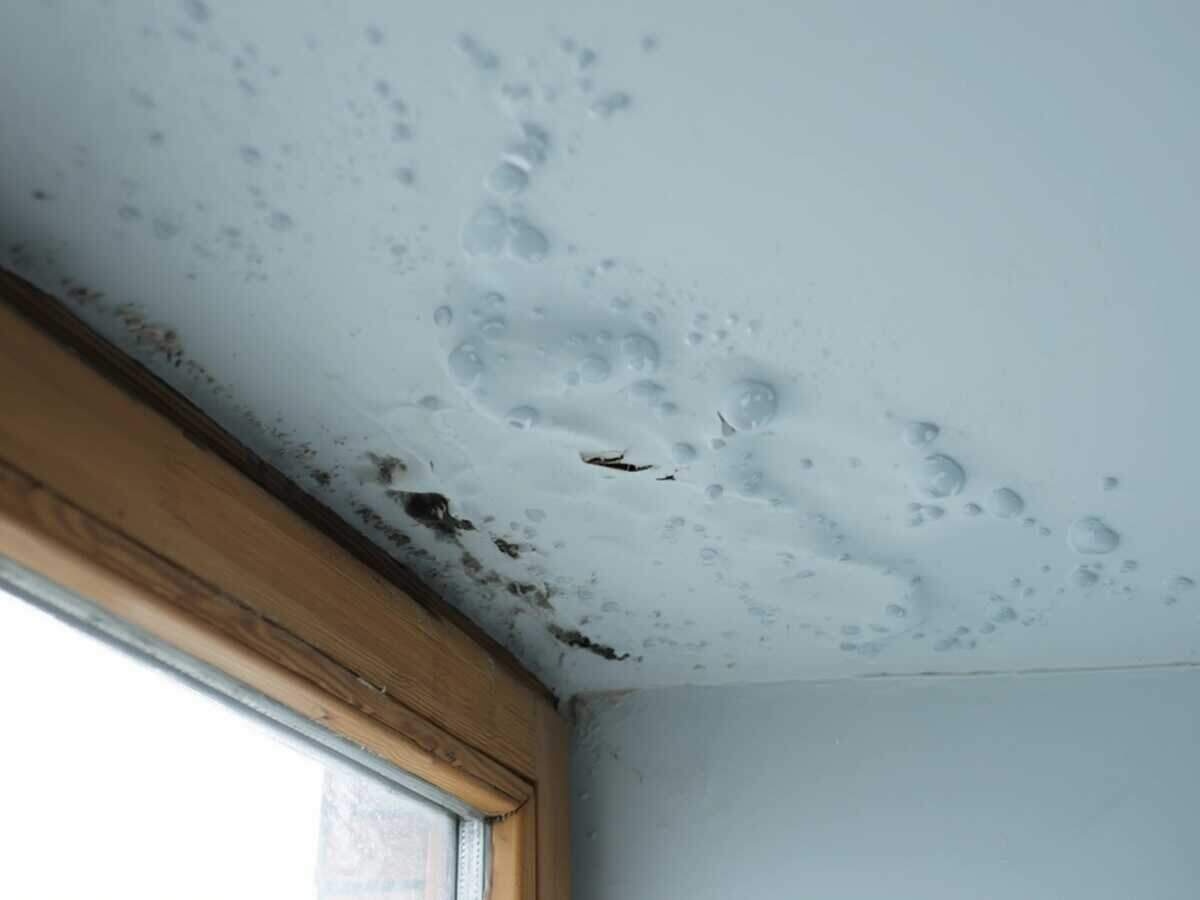
Then the loss goes down instead of sideways. Water off an attic line lands on blown insulation, which absorbs a great deal before anything shows, then soaks the ceiling board, follows a top plate and runs down inside interior walls two rooms away. What you see from below is the small end of it. The wet area on top of the ceiling is normally several times the size of the stain, and it is still spreading while everybody is looking at the drip.
Finding the wet part of an attic
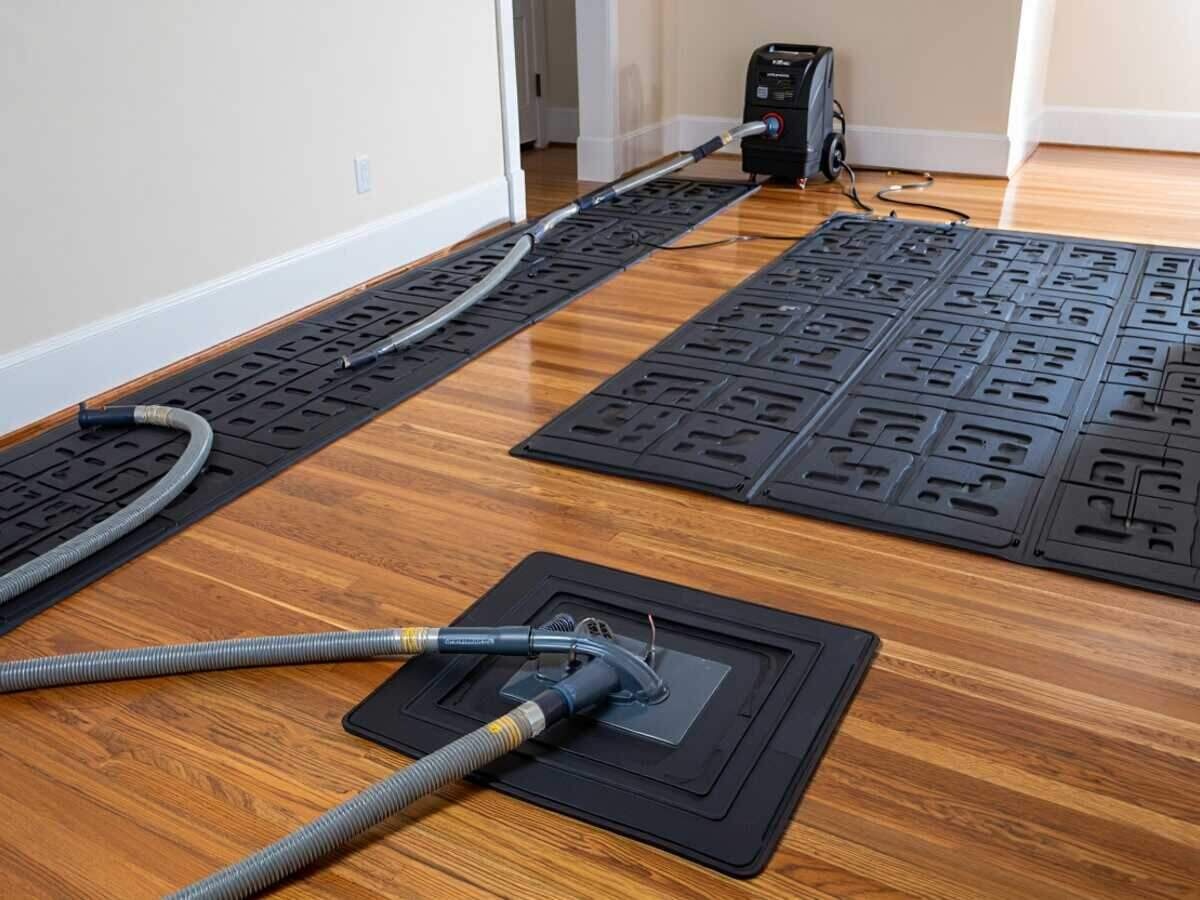
With the water off, we start where we can get eyes and a meter on the material: the decking, the top of the ceiling board, the framing, and the insulation itself, which tells us more than the drywall does. Wet insulation comes out of the affected area rather than being dried in place, because it holds water against the ceiling and will not recover its depth anyway. The ceiling is opened along the readings, air is pushed into the cavity itself, and the framing gets read every day against a room the water never got to. Nothing closes up until those two numbers agree.
- Readings taken on the insulation and the top of the ceiling board, not only from the room
- Wet blown insulation removed from the affected area instead of dried in place
- Openings sized by the meter, including the interior walls water ran down
- Framing read daily against a dry part of the same house before anything closes
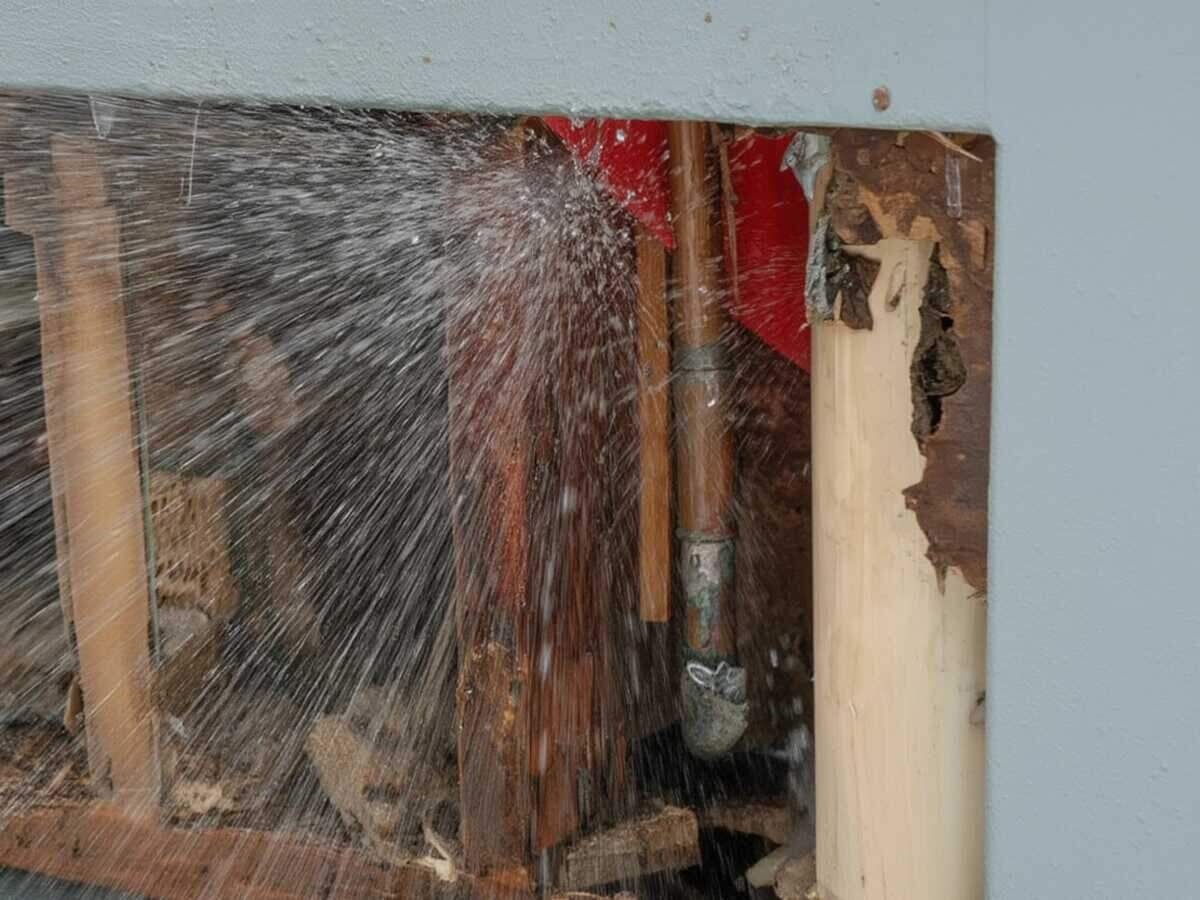
One practical note about the order of operations. A plumber cannot reach a break buried under a foot of blown insulation until somebody clears it, and after a hard freeze his day is already full. Clearing that access and getting the wet material out is work we would be doing anyway, so on most of these we go first and the repair happens sooner because of it. Once the water is off, call (512) 271-5099.