



Water Removal in Bee Cave, TX

The tile in the kitchen looks fine and a towel comes up dry, but the meter reads wet three rooms away at the base of a wall. Water under a stone floor does not evaporate on its own. We find the edge of it first.

Call (512) 271-5099 Answered live, 24/7Nights, weekends, holidays
  • We bill your insurer directly
  • IICRC-certified crews
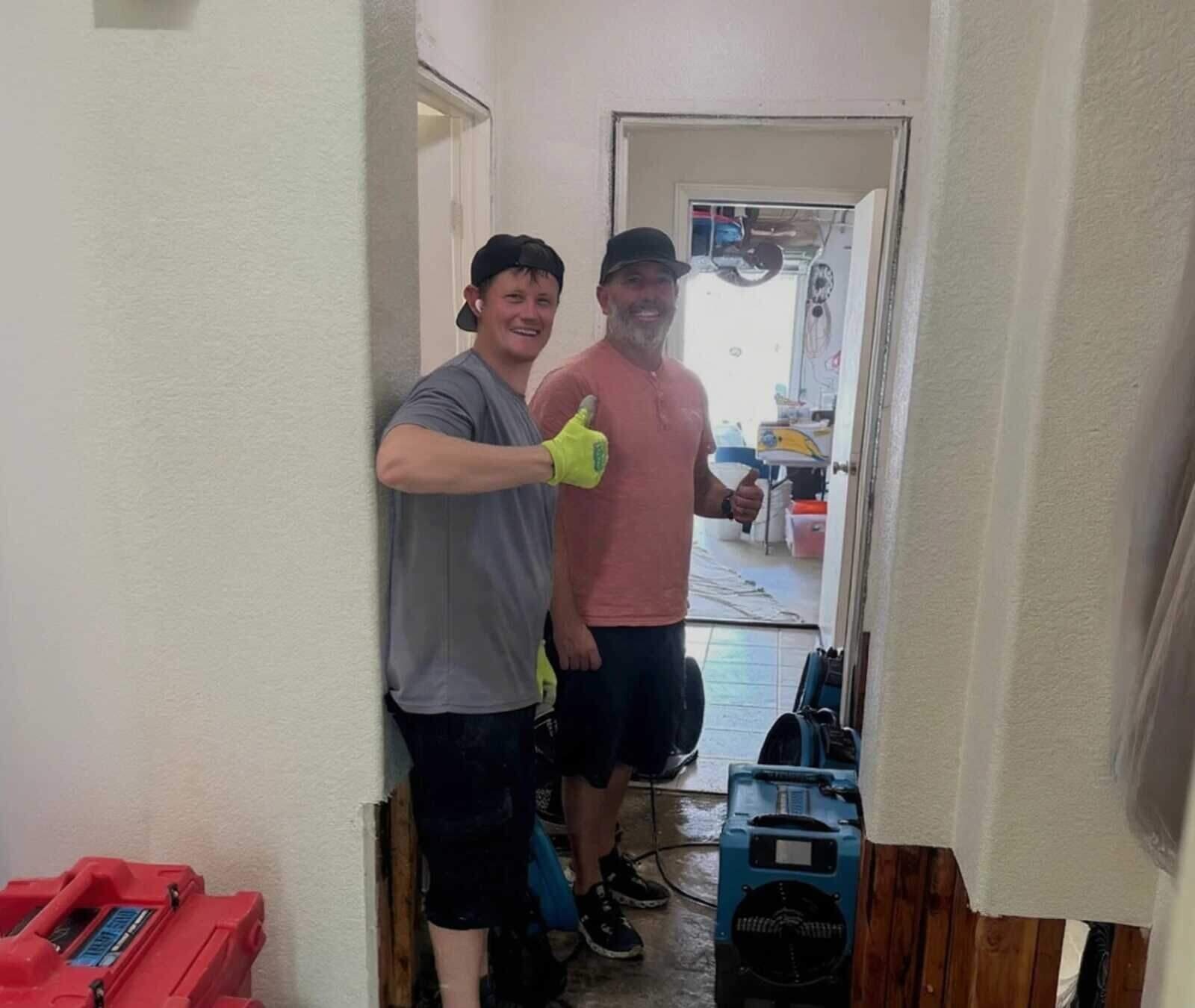
Local water damage crew working in an Austin-area home with air movers and a dehumidifier
Our crew · Austin metro
Why Bee Cave homeowners call us

A local crew that shows up and does it right

Dried to a reading Equipment stays until the material meters dry, not until the surface feels dry.
One crew, start to finish The same local crew from the first extraction to the final repair.
No surprise line on the bill Equipment days and demolition are priced before the work happens, not discovered on the invoice.
Local Austin crew Dispatched from the north metro, never routed through an out-of-state call center.
Certified & accredited
IICRC Certified firm Indoor Air Quality Association member Certified and licensed water damage restoration Certified and licensed mold remediation and removal
How it works

Our restoration process

Four steps, starting the moment you call.

1

Call & Dispatch

Tell us what happened. A local crew is dispatched on the call, and how fast we reach you depends on traffic and where you are.

2

Extract & Stabilize

We stop the source, pump out standing water, and set drying equipment.

3

Dry & Monitor

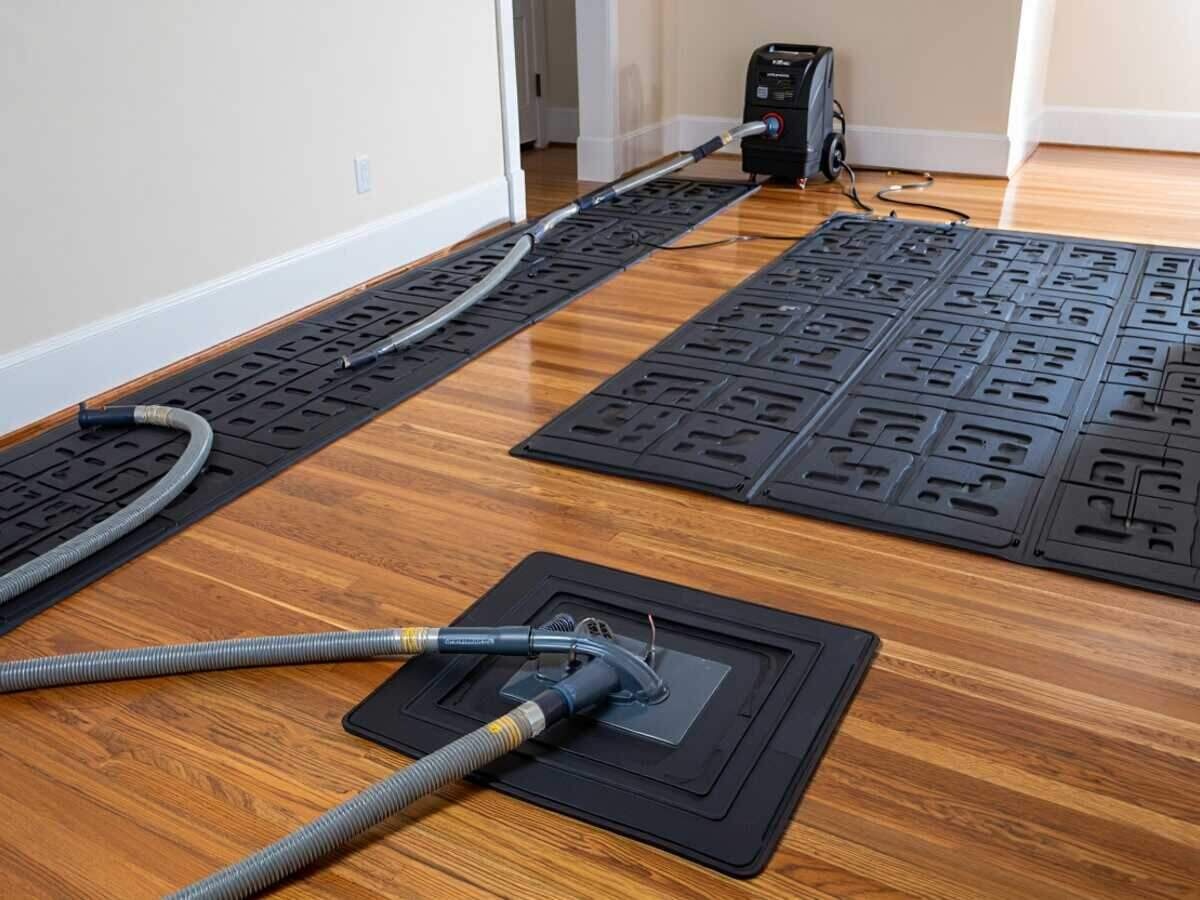
Air movers and dehumidifiers run while we track moisture daily to dry standard.

4

Repair & Reinstall

Drywall, texture, trim, and paint go back so the room reads finished.

Insurance-savvy from the first call

Documented to claim standard from the first hour

We document the loss to claim standard from the moment we arrive — photos, moisture readings by room, and a scope that maps to your policy. Then we bill your insurer directly for the covered work.

See how claims work in Texas

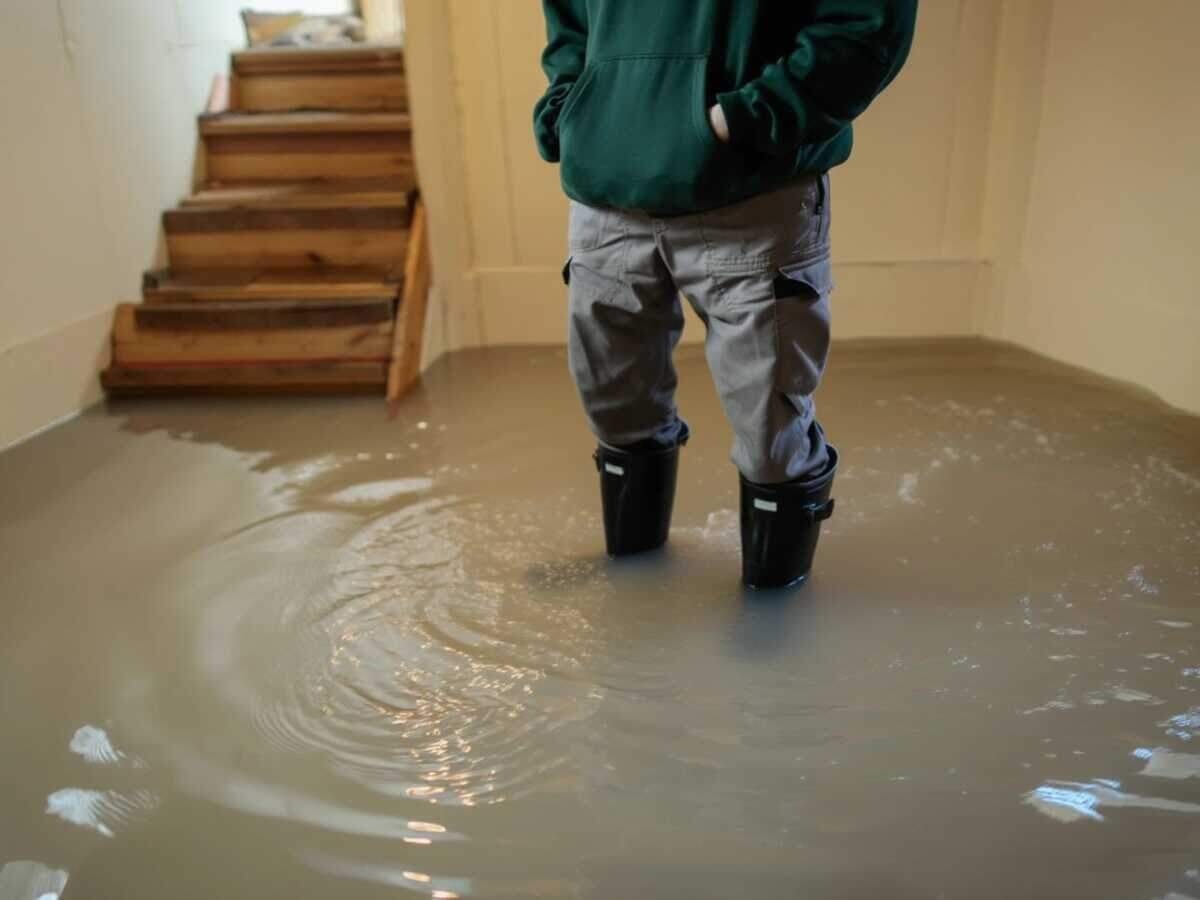
Water removal on the stone and tile floors common in Bee Cave is a question about the edge of the wet area, not about the puddle. A grouted floor over slab sheds most of a spill to its perimeter and holds the rest underneath, in the setting bed and against the concrete, where no extraction wand will ever reach it. Meanwhile the part that ran to the perimeter is already under the cabinet toe kicks and into the bottom plate of the walls. The floor looks dry within the hour, and that is the trap.

One boundary worth stating plainly this close to the lake. Water that rises out of a creek or the reservoir and crosses the ground into a house is a flood loss. It answers to a separate policy and goes to the outfits built for that work. What we extract is water from the house's own plumbing, appliances, and water heaters, plus rain a storm drove in at a door, a threshold, or the slab edge.

How we decide what has to come up

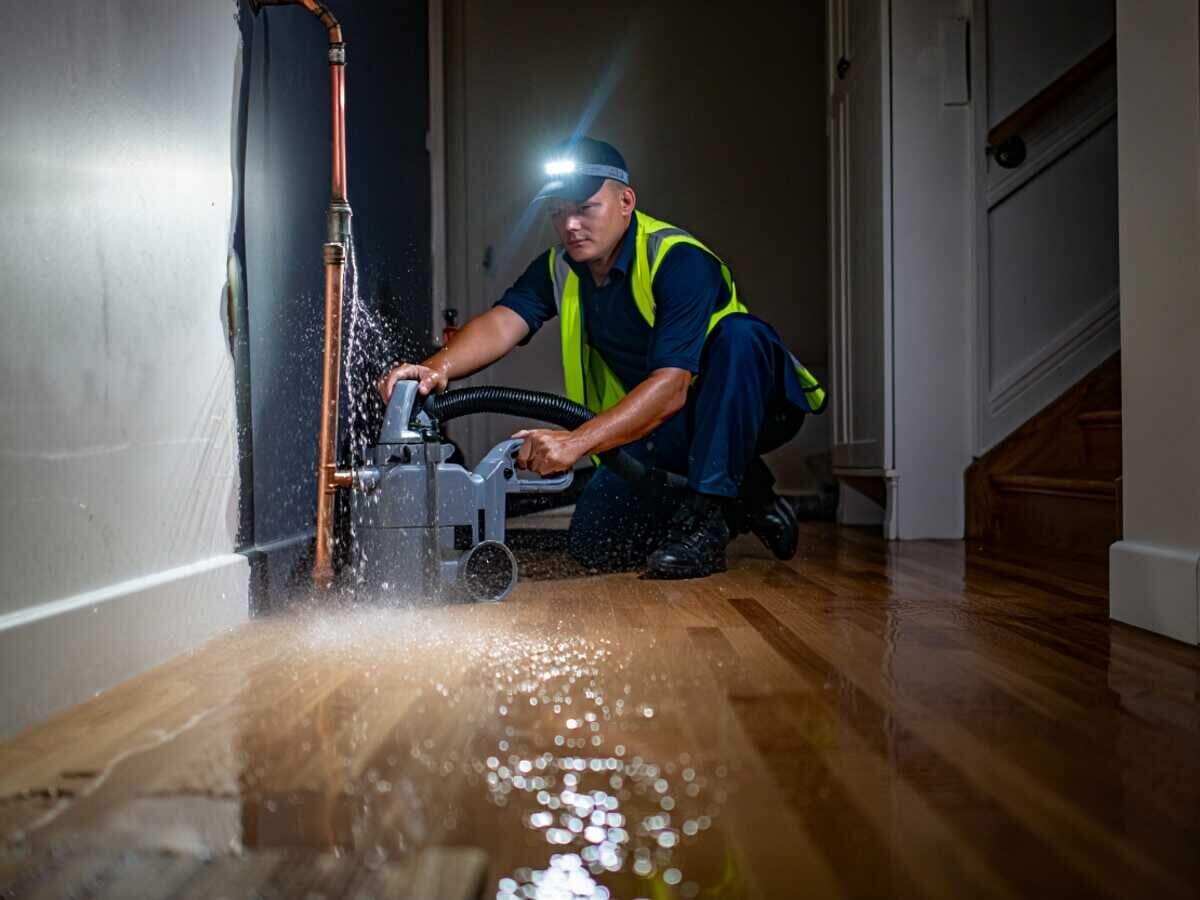
Extraction first, everywhere it can physically reach the water: the surface, the grout joints at the low points, the pad under any rug, and the wall cavity once the baseboard is off. Toe kicks come off so air gets under the cabinet runs instead of blowing across their doors. Then the readings decide. Numbers that fall day over day mean the assembly is releasing water and the stone stays. Numbers that stall mean the water is trapped under the setting bed and a section has to come up, which is a much better thing to hear on day two than on day ten.

  • Standing water extracted from the surface, the joints, and the wall bases
  • Baseboard and toe kicks off so air reaches the cavity and the cabinet interiors
  • Daily readings on the slab perimeter, the wall plates, and the cabinet boxes
  • Material pulled only when the numbers stall, and photographed before it goes
water removal in Bee Cave, TX

Extraction and drying are one job here rather than two contractors, because the decision about your stone gets made on readings taken by the same people who set the equipment. Call (512) 271-5099 and tell us what the floor is made of and roughly how long the water was running.
Good to know

Frequently asked questions

The floor is stone. Can you dry it without taking any of it up?

Often, and that is the plan we start with. Stone and porcelain hold very little water themselves; the mortar bed and the slab under them hold it and give it back slowly. We dry the perimeter and the cavities, read it every day, and only pull a section when the numbers stop moving.

Why is the baseboard coming off if the wall looks fine?

Because that is where the water is and where the air has to go. A wall wicks up from the plate, so the bottom few inches hold the moisture, and drywall dries from a cut edge far faster than through paint. Taking the base off is a small, repairable move that often saves cutting the wall at all.

How do you know when the extraction is actually finished?

The readings say so, not the mop. We take a baseline in dry parts of the same house, meter the wet zone against it, and keep extracting anywhere a reading says there is water we can still physically pull. What is left after that is a drying problem rather than an extraction one.

The house is on a slab. Can water get underneath it?

Not from a spill inside. Water spreads across the top of the slab and under the flooring, which is why it turns up three rooms away. Water coming up through the slab is a different diagnosis, usually a supply line under the concrete, and that needs a plumber with leak detection before drying makes any sense at all.

Water damage won't wait

Water across a Bee Cave stone floor? The surface lies.

Call any hour and we get extraction going and a meter on the perimeter the same visit. You get daily readings on the slab, the wall plates, and the cabinet boxes, plus a straight answer on whether any of the floor has to come up. Everything gets written down while the work is happening, and we invoice your carrier for the part the policy covers.

Call (512) 271-5099 Available 24/7 · Austin metro