



Ceiling Water Damage Repair in Bee Cave, TX

It came out of a recessed light in the kitchen first, one drop every few seconds, and the ceiling around it still looks perfect. By the time water finds a light fixture, the board above has been holding it for a while. Kill that circuit, then call.

Call (512) 271-5099 Answered live, 24/7Nights, weekends, holidays
  • We bill your insurer directly
  • IICRC-certified crews
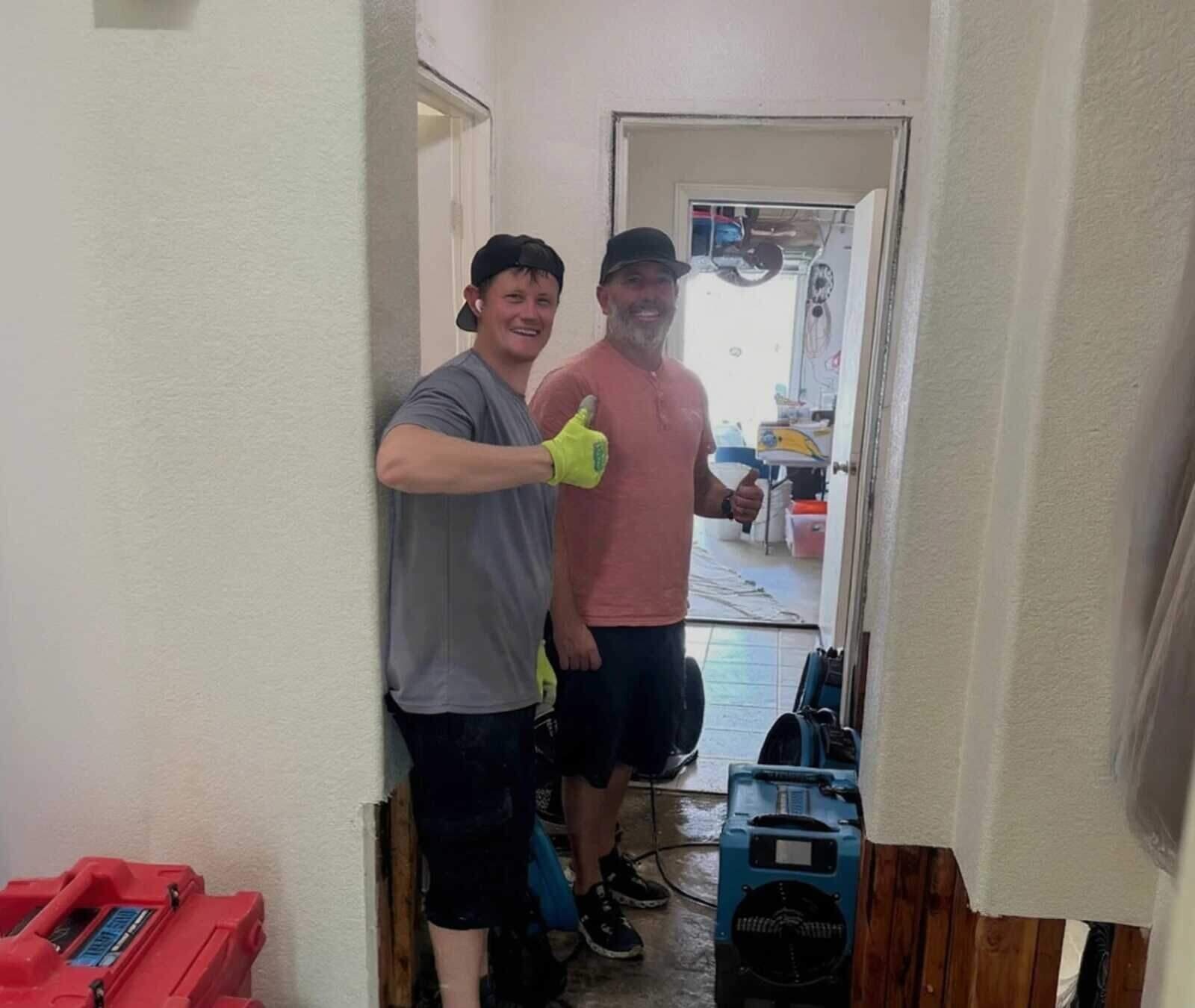
Local water damage crew working in an Austin-area home with air movers and a dehumidifier
Our crew · Austin metro
Why Bee Cave homeowners call us

A local crew that shows up and does it right

Dried to a reading Equipment stays until the material meters dry, not until the surface feels dry.
One crew, start to finish The same local crew from the first extraction to the final repair.
No surprise line on the bill Equipment days and demolition are priced before the work happens, not discovered on the invoice.
Local Austin crew Dispatched from the north metro, never routed through an out-of-state call center.
Certified & accredited
IICRC Certified firm Indoor Air Quality Association member Certified and licensed water damage restoration Certified and licensed mold remediation and removal
How it works

Our restoration process

Four steps, starting the moment you call.

1

Call & Dispatch

Tell us what happened. A local crew is dispatched on the call, and how fast we reach you depends on traffic and where you are.

2

Extract & Stabilize

We stop the source, pump out standing water, and set drying equipment.

3

Dry & Monitor

Air movers and dehumidifiers run while we track moisture daily to dry standard.

4

Repair & Reinstall

Drywall, texture, trim, and paint go back so the room reads finished.

Insurance-savvy from the first call

Documented to claim standard from the first hour

We document the loss to claim standard from the moment we arrive — photos, moisture readings by room, and a scope that maps to your policy. Then we bill your insurer directly for the covered work.

See how claims work in Texas

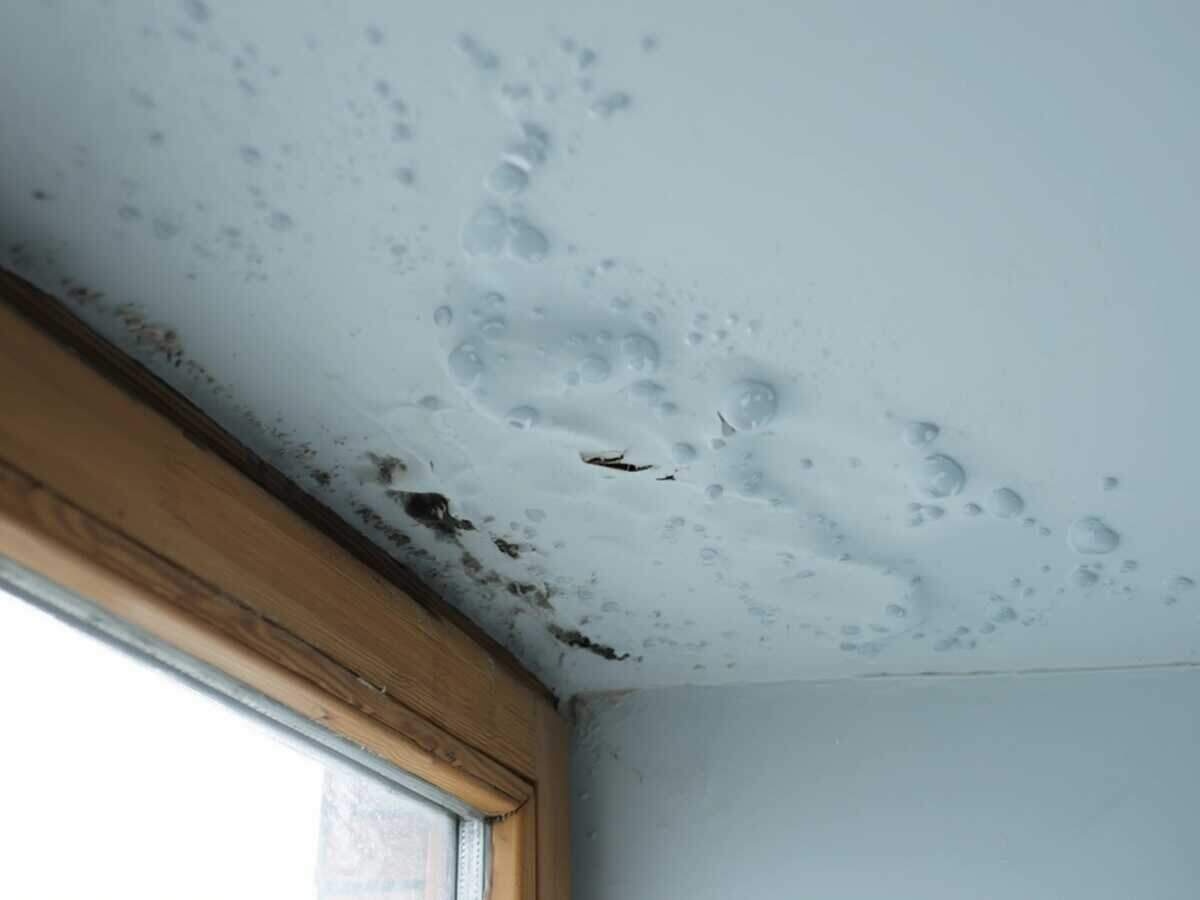
Water in a ceiling takes the first opening it finds, and in a finished ceiling that opening is a light can, a bath fan housing, a speaker cutout, or the gap around a sprinkler head. Everywhere else the board is intact. So a drip out of a recessed light is not the start of the problem, it is the point where the cavity above finally overflowed, and the wet area up there is always wider than the fixture that gave it away.

Treat it as electrical until the breaker is off. Cut power to that circuit at the panel, leave the switch alone, and stay out from under any part of the ceiling that has started to sag. In the two-story plans around Bee Cave the source is usually a bath, a laundry, or a supply line on the floor above, and the water runs along the top of the drywall until it reaches something with a hole in it.

Ceiling water damage repair, from the first cut to the last coat

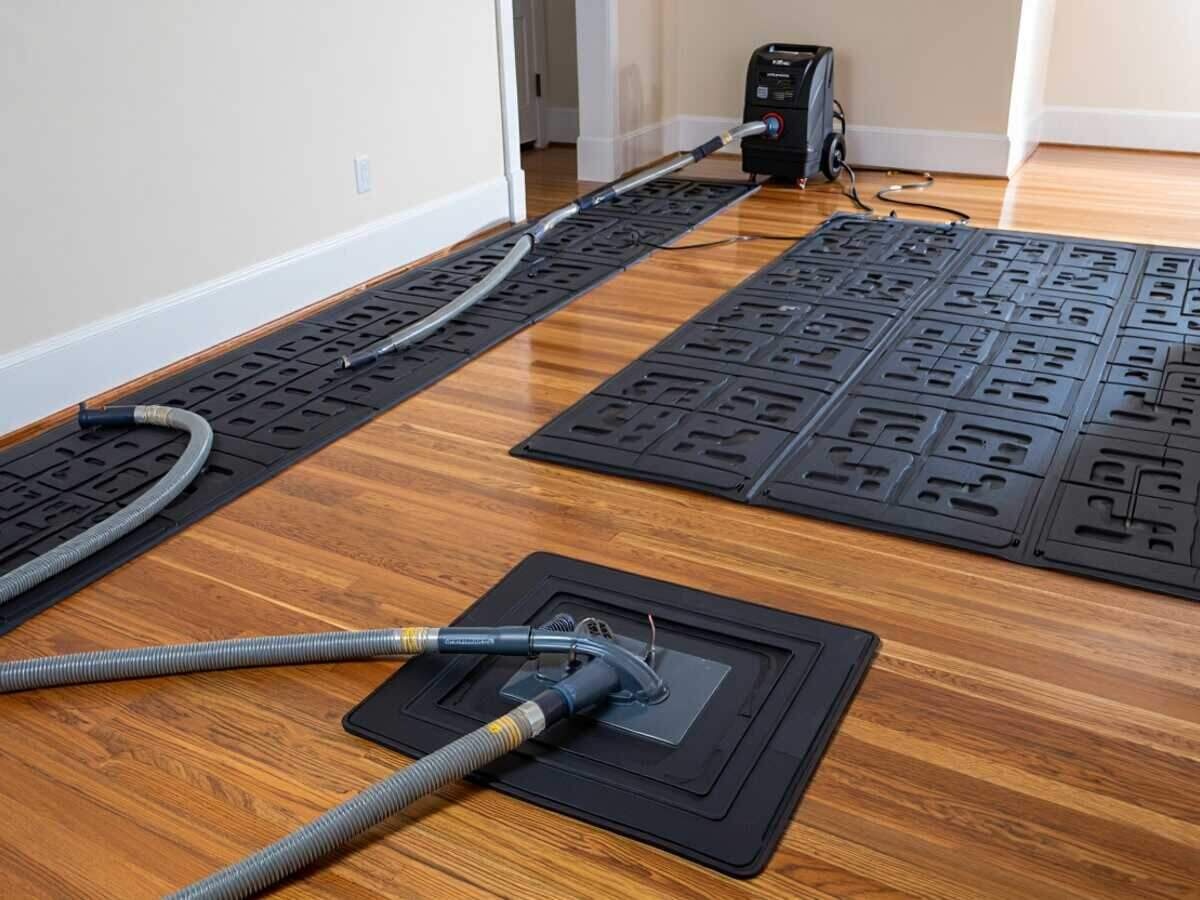
We find and stop the source, then relieve any section holding weight, in a controlled stream rather than waiting for it to land on a counter. The joist bay gets opened where the meter says the water went, the soaked batt comes out in one piece if it will come, and then air is driven into the empty bay while a dehumidifier works the room below it. We read the framing and the top plate of the wall below every day, because water that reaches a wall line runs down inside it and becomes a baseboard problem next month. Then the ceiling goes back: board, tape, a texture match, and a stain-blocking primer.

  • Source stopped first, and the circuit killed before anyone works near the fixture
  • Loaded sections relieved under control instead of left to fall
  • Wet insulation out of the bay, air into the cavity, the wall top plate read as well
  • Board, texture match, and a stain-blocking primer once the framing reads dry
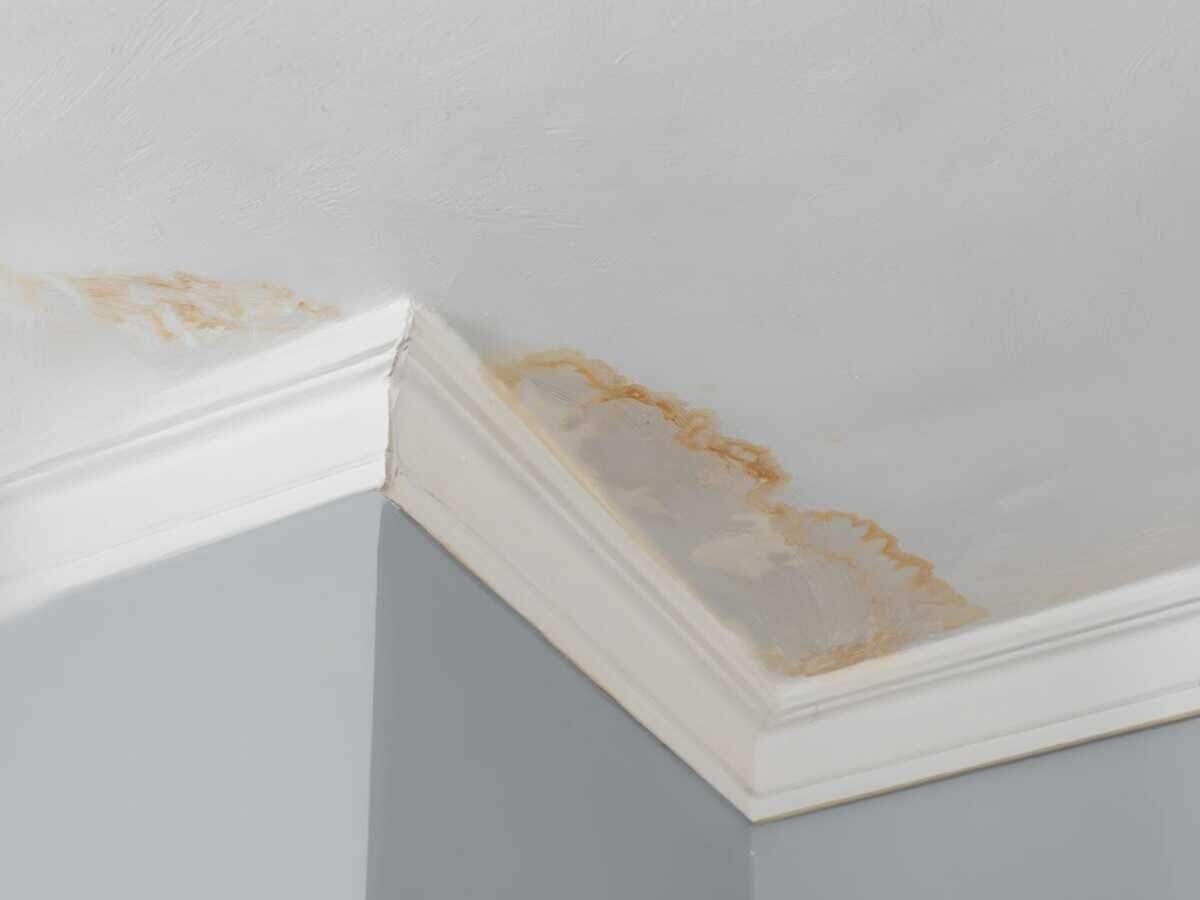
ceiling water damage repair in Bee Cave, TX

Heavy trim is part of the plan on these ceilings. Crown, beams, and coffered edges come off in the longest pieces we can save and go back on the same layout, because a mitre that has been recut twice never closes the way it did. Call (512) 271-5099 and tell us what sits above that room.
Good to know

Frequently asked questions

Water is dripping out of a light fixture. How dangerous is that?

Enough to take seriously. Kill that circuit at the panel and leave the switch alone, and do not stand under the fixture to study it. Water sitting in a can light is in contact with wiring, and the fixture is also telling you the drywall above it has been wet for a while.

The bathroom above looks fine. Do you have to open the floor up there too?

Usually not. Most of the time we work the ceiling from below, because the bay is reachable from that side and the damage is on that side too. If the readings say the subfloor above is wet, we would rather pull a section of that bathroom floor than close a ceiling over a wet deck, and you would hear the reasoning first.

Will the light fixture work again once it dries out?

We do not put a soaked can light back in service and neither should anyone else. A fixture that has had water standing in it gets pulled, and an electrician decides whether the housing and the connections are still sound. A trim kit costs very little against the alternative, and the drywall around it is coming out anyway.

How soon can it be painted?

After the framing reads dry, not after the ceiling looks dry, and those are usually a few days apart. Paint over a damp cavity and the ring comes back through the new coat within a month, which is why we prime with a stain blocker and only once the numbers hold.

Water damage won't wait

Ceiling dripping into a Bee Cave kitchen?

Kill the circuit, keep everyone out from under it, and call. We stop the source, take the weight out of the ceiling safely, dry the bay above it on daily readings, and rebuild the drywall and the trim. Everything is documented for the claim, and the carrier decides what it covers.

Call (512) 271-5099 Available 24/7 · Austin metro