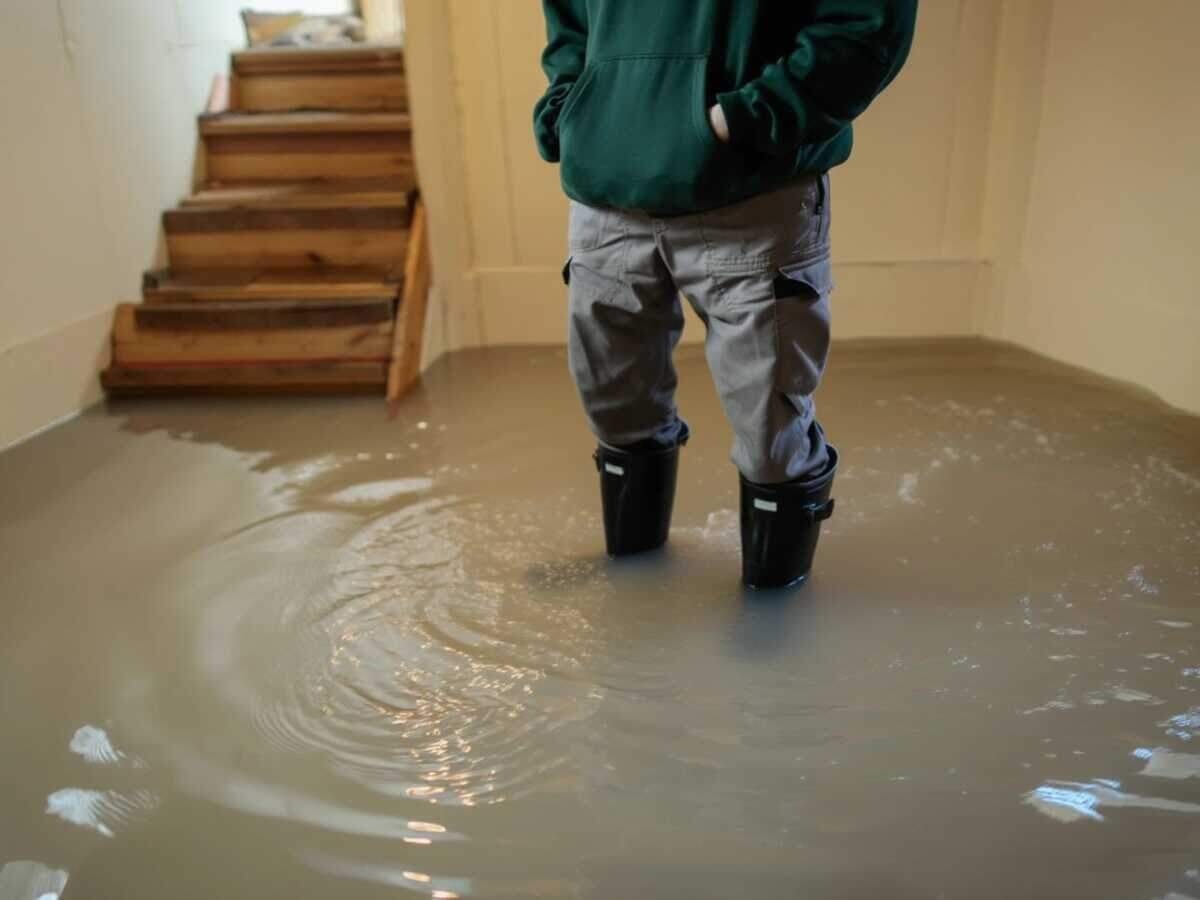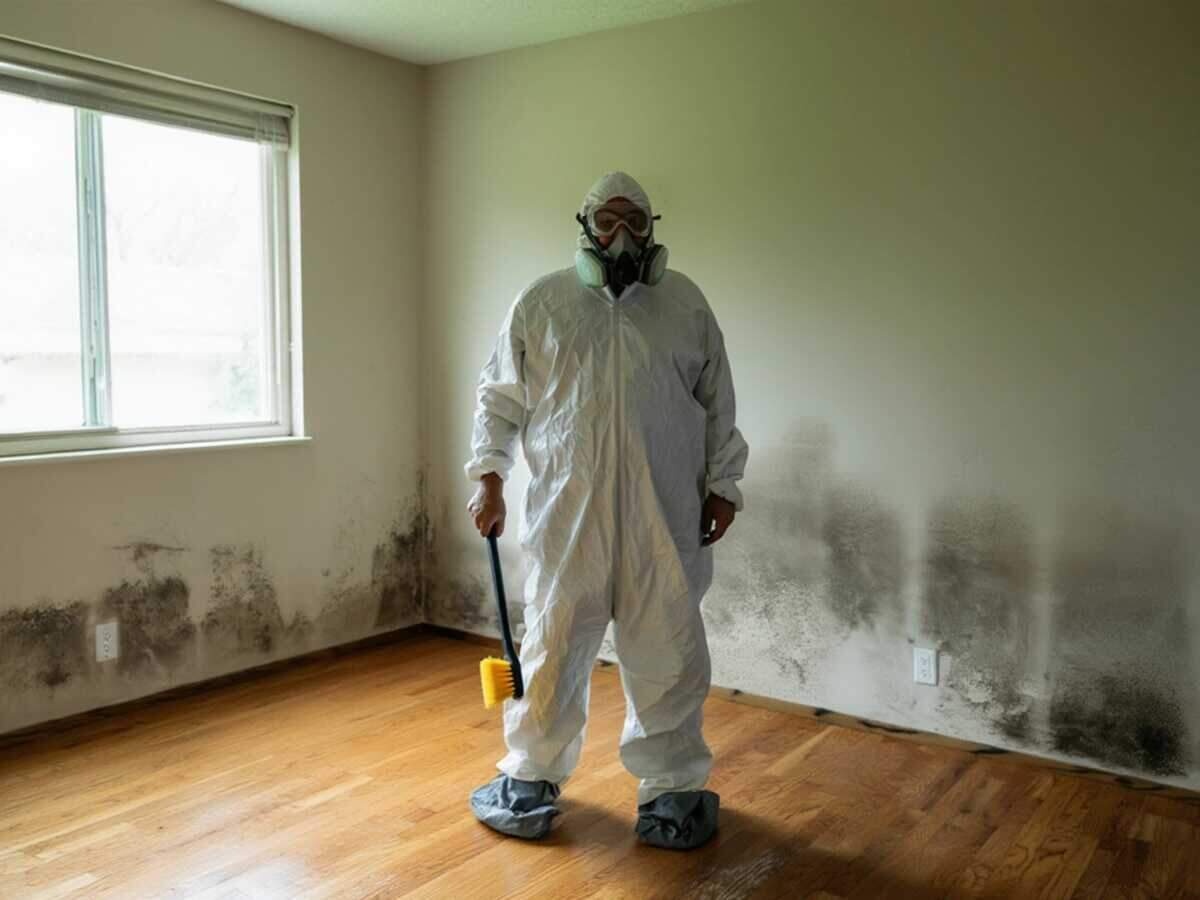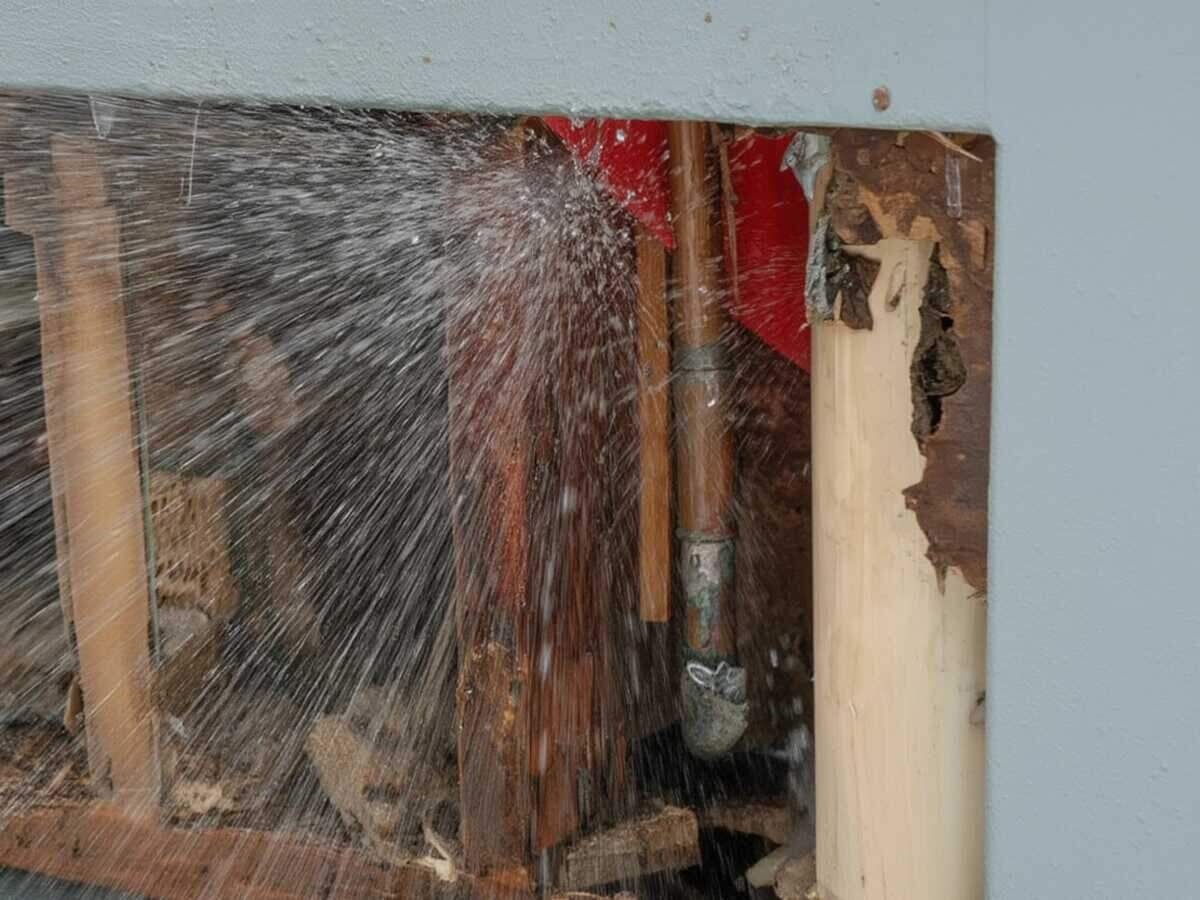




Roof water damage in a Bee Cave house often has nothing to do with the main roof. The covered outdoor living space is the weak point: a low-slope patio roof drains slowly, collects leaf litter and cedar duff off the live oaks above it, and ties into a vertical wall of the house at its high side. That tie-in is a flashing detail, and when it fails the water does not run onto the patio. It goes behind the wall and into the room on the other side.
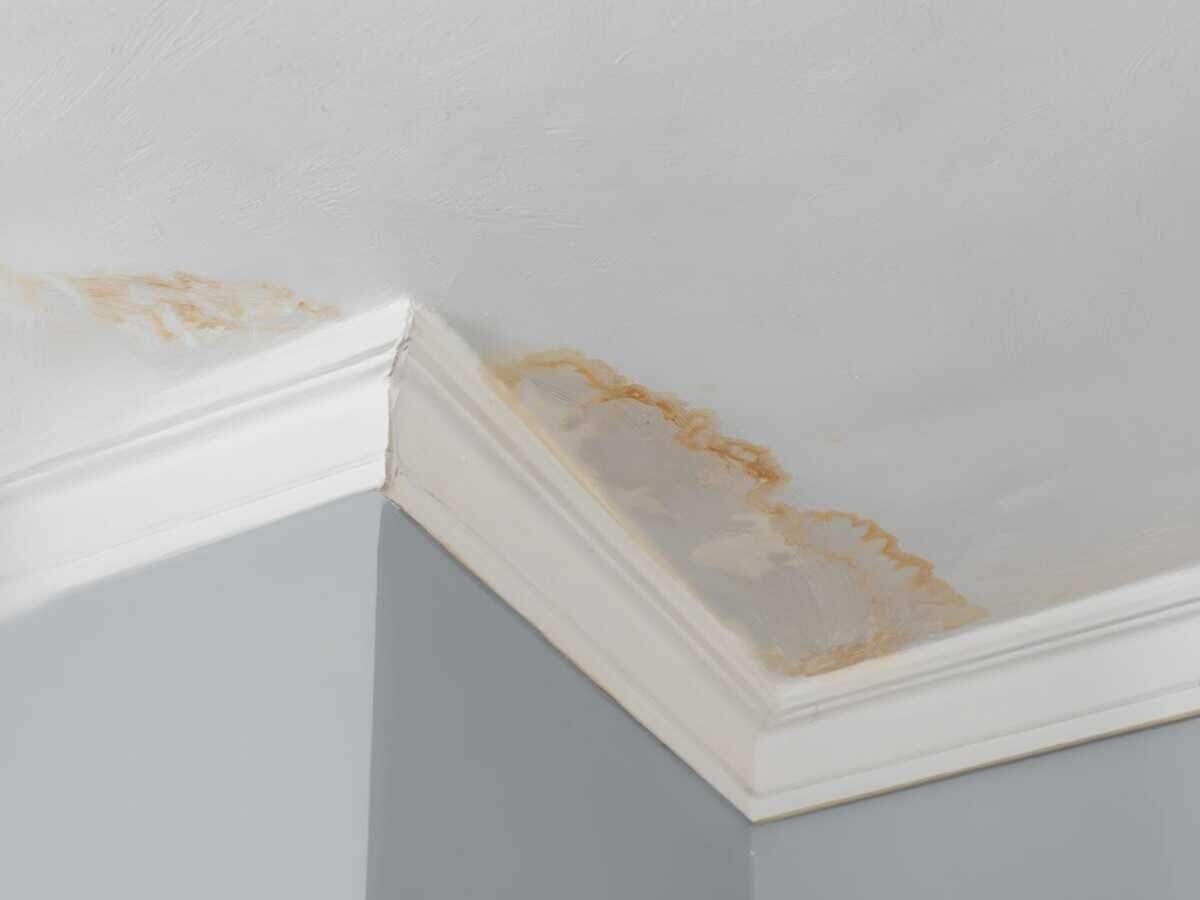
The main roof produces the more familiar version. Water gets past a shingle or a dried-out vent boot, tracks along a rafter, and soaks the attic insulation, and the ceiling stain shows up somewhere downhill of where it entered. Either way our part is the same: the water that is now inside the house.
What we dry, and who closes the roof
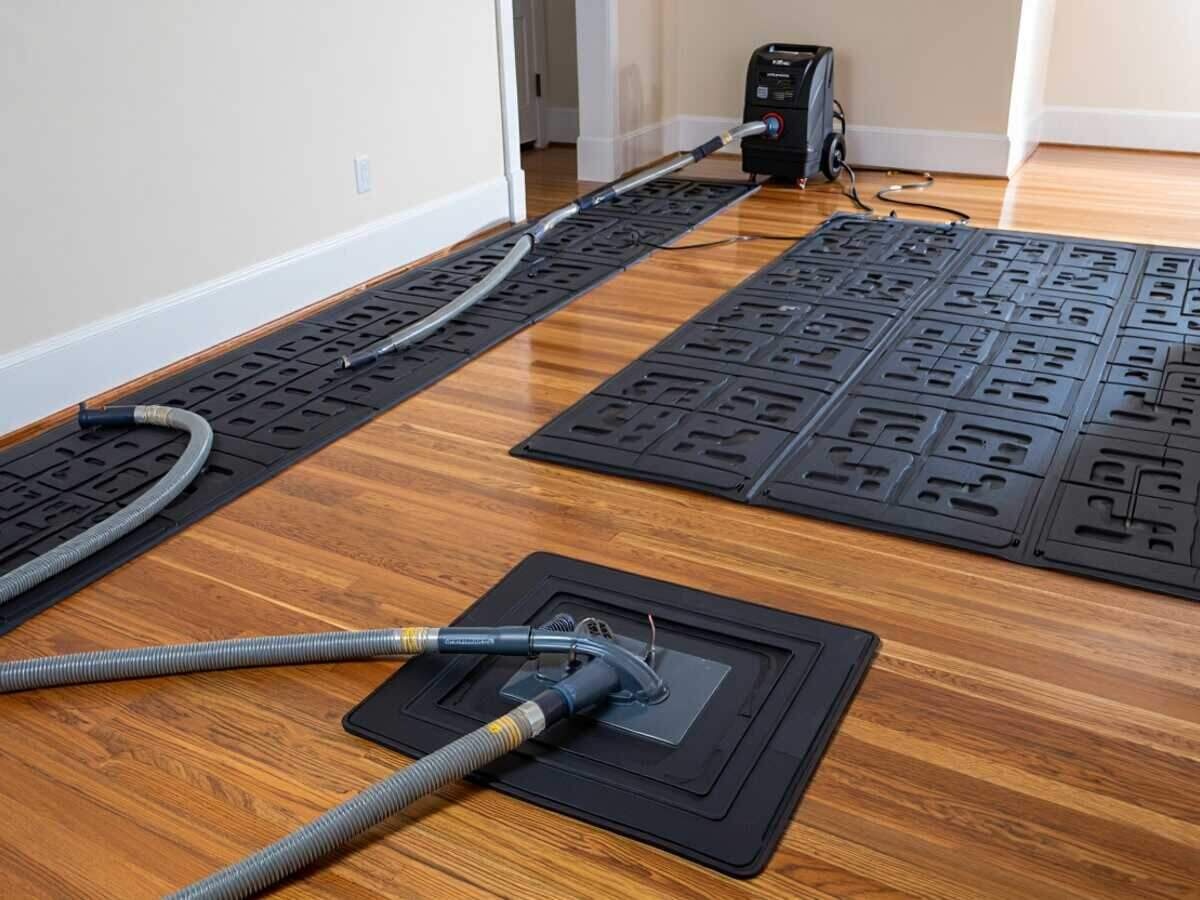
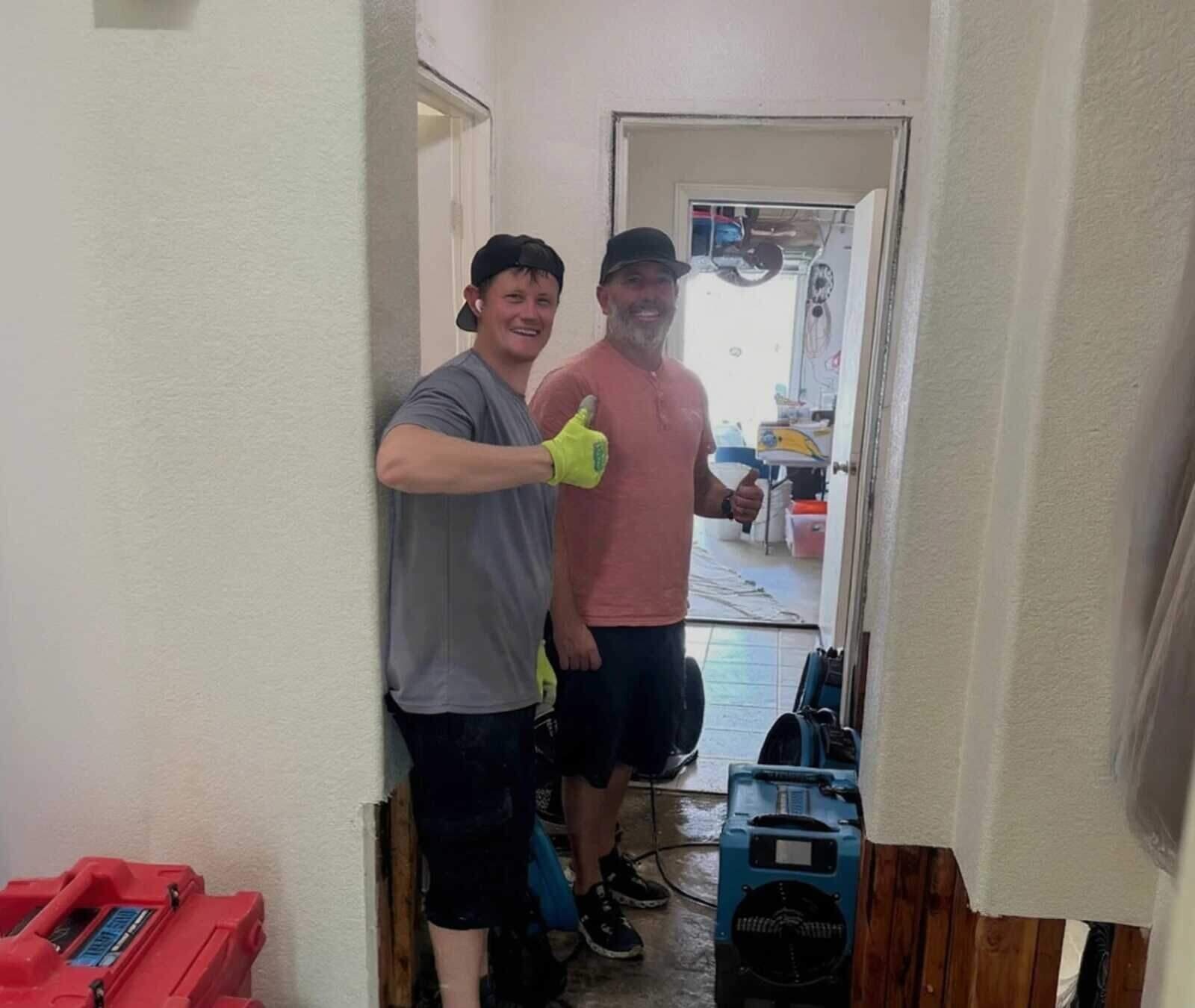
We contain the interior entry so the next rain does not add to it, then map the moisture through the wall cavity, the attic, and the ceilings with meters and infrared. Saturated blown-in insulation comes out by the bag, because it packs down under the weight of the water and never returns to depth. Decking, rafters, and wall framing dry on daily readings, and drywall goes back once those numbers hold. A licensed roofer handles the flashing and the roofing, and we sequence to that so nothing is closed over wet material.
- The interior entry point contained while the roof is still open
- Wall cavity, attic, and ceilings mapped with meters and infrared
- Saturated insulation bagged out, decking and framing dried on daily readings
- An interior scope for your adjuster that lines up with the roofing estimate
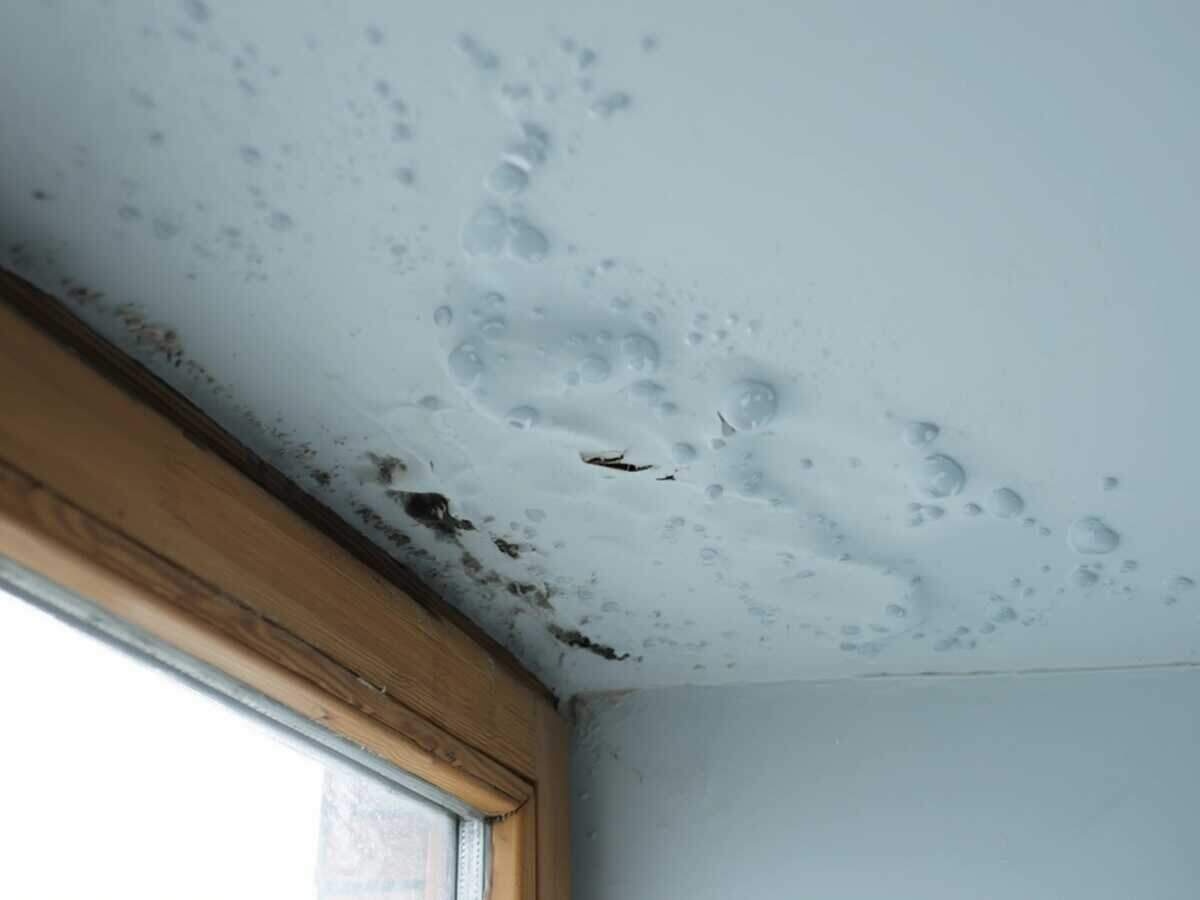
Porch ceilings get handled on their own terms. Stained tongue-and-groove often dries and refinishes, but boards that have cupped or opened at the joints are telling you they are done, and we would rather replace a few than nail a wet ceiling flat. Call (512) 271-5099, storm nights included.